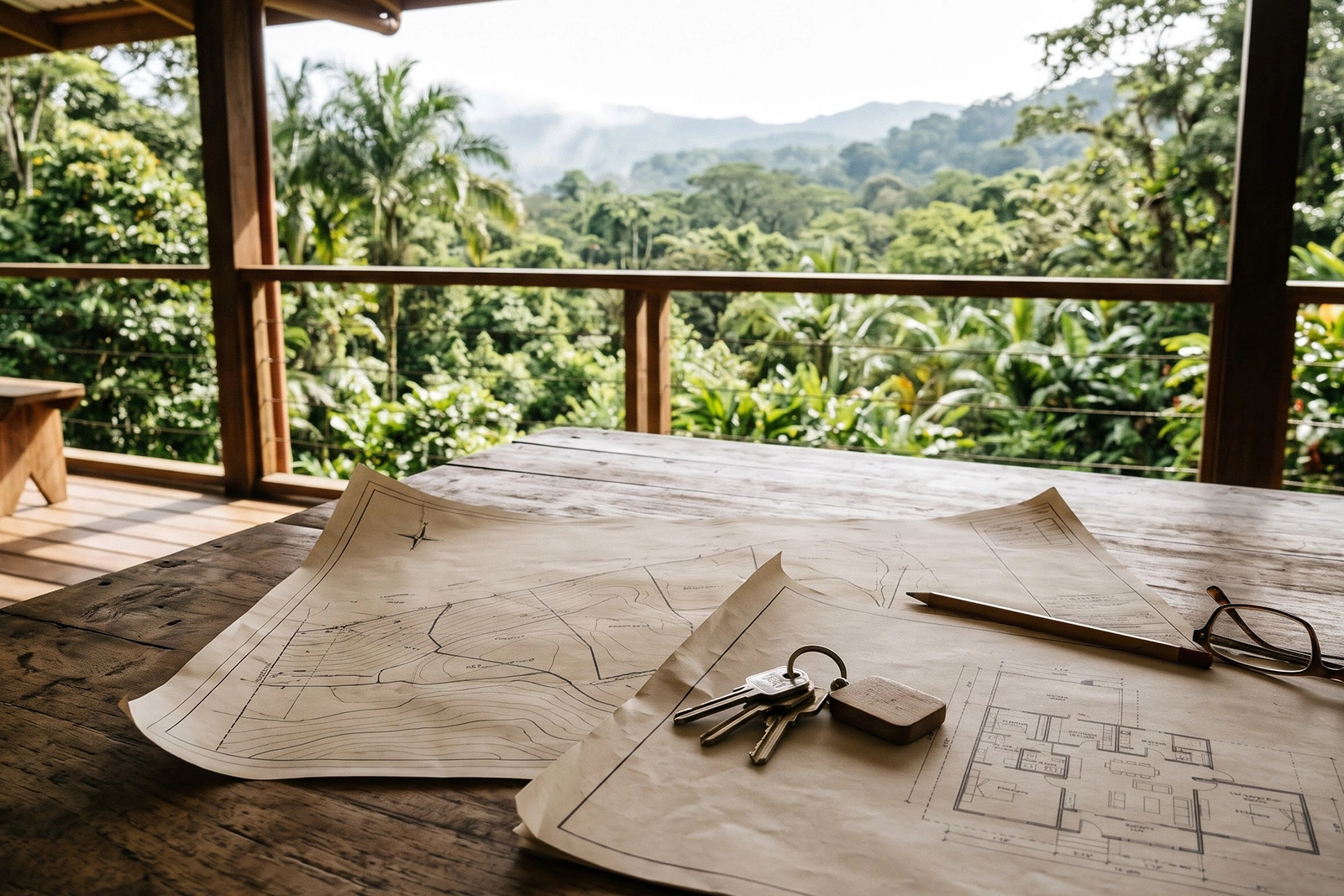
Costa Rica has become an appealing destination for international property buyers interested in tropical living, retirement, vacation homes, and real estate investment. Its beautiful coastline, natural landscapes, welcoming communities, and diverse property options attract buyers from the United States, Canada, and other countries.
However, purchasing real estate in another country requires careful planning. Differences in property laws, documentation, infrastructure, and purchasing procedures can create challenges for buyers unfamiliar with the local market.
Understanding common mistakes before making a purchase can help protect your investment and make the buying process more straightforward.
One of the biggest mistakes foreign buyers make is assuming that every property in Costa Rica can be purchased in the same way as a typical residential property in the United States.
Generally, foreigners have the same rights as Costa Rican citizens when purchasing registered private property. However, certain locations are subject to special ownership restrictions.
The Maritime Terrestrial Zone (Zona Marítimo Terrestre) is particularly important for coastal property buyers.
This zone generally covers 200 meters measured from the ordinary high-tide line. The first 50 meters are public, while the remaining 150 meters are subject to restricted arrangements and concession rules, with certain legal exceptions.
A concession is not the same as ordinary private ownership.
Before purchasing beachfront or coastal property, ask an independent attorney to establish whether the property has registered private title or is subject to a concession.
Relying entirely on the seller, real estate agent, or previous property owner for legal information can create unnecessary risks.
Foreign buyers should appoint an independent Costa Rican real estate attorney to investigate the property before signing a binding agreement or transferring funds.
A property may look attractive during a viewing, but its legal documentation must support the intended purchase and use.
An attractive purchase price does not automatically make a property a good investment.
Some buyers focus exclusively on the listed price without considering the additional expenses associated with purchasing and maintaining real estate in Costa Rica.
If you are buying a property that requires renovation, obtain independent estimates before committing.
A realistic budget should include both the acquisition cost and the expenses required to make the property suitable for your intended use.
Some of Costa Rica’s most attractive properties are located in rural, mountainous, or relatively remote communities.
While these locations may offer privacy, spectacular views, and natural surroundings, they can also present practical challenges.
For example, a hillside property near Uvita or Platanillo may offer beautiful surroundings but require additional transportation planning and infrastructure investment.
Visit the property under different weather conditions whenever possible.
Water is an essential consideration when purchasing property in Costa Rica, especially in rural and developing areas.
Do not assume that a property has an adequate water supply simply because a house or swimming pool already exists.
Ask your attorney to verify the legal documentation supporting the water supply. Depending on the property, this may involve a public utility connection, an ASADA water association, or an appropriately authorized well or other supply arrangement.
Also consider whether the supply can support future construction, additional bedrooms, landscaping, or rental operations.
Insufficient water availability can affect both property usability and future development plans.
Property prices can vary significantly between Costa Rican communities, even when locations appear geographically close.
A home in Uvita may have different pricing considerations from a similar property in Dominical or Ojochal.
Foreign buyers sometimes make the mistake of comparing properties using only photographs, advertised prices, or general national market information.
Instead, compare properties based on:
Working with an experienced local real estate professional can help you understand these differences.
Costa Rica’s tropical environment can create additional maintenance requirements.
Humidity, heavy rainfall, insects, strong sunlight, and coastal salt exposure may affect buildings and outdoor structures.
Wooden fixtures, roofing, exterior paint, swimming pools, drainage systems, and air-conditioning equipment may require regular attention.
Before purchasing, arrange a professional inspection and develop a realistic maintenance budget.
If you plan to own the property from overseas, identify reliable local contractors and property management services.
Another common misunderstanding is believing that purchasing a home automatically grants permission to live in Costa Rica permanently.
Property ownership and immigration status are separate matters.
Foreign buyers can generally purchase registered private property without first becoming Costa Rican residents. However, anyone planning to relocate should investigate the appropriate immigration category.
Depending on individual circumstances, options may include pensionado, rentista, investor, or other applicable residency categories.
Consult a qualified immigration professional to understand current eligibility and documentation requirements.
Photographs and virtual tours are useful, but they cannot replace an in-person property visit.
A property may look different depending on weather, road conditions, neighboring development, noise, and surrounding activity.
Whenever possible, visit the property, explore the neighborhood, speak with local residents, and assess the surrounding infrastructure.
If relocation is your goal, consider spending time in the area before committing to a purchase.
International buyers sometimes feel pressured to make a quick decision because they believe an attractive property will immediately sell.
Although desirable properties can attract interest, rushing without proper investigation can lead to expensive mistakes.
Take sufficient time to review the purchase agreement, investigate the property, understand payment arrangements, and complete legal due diligence.
Your attorney should explain all important contractual obligations before you sign.
Buying Costa Rica real estate can be an exciting opportunity, whether you are purchasing a vacation home, investment property, or permanent residence.
However, successful ownership starts with informed decision-making.
Understanding local property regulations, verifying legal ownership, checking infrastructure, budgeting for additional expenses, and working with independent professionals can help reduce unnecessary risks.
Whether you are exploring homes in Uvita, Dominical, Ojochal, Platanillo, or Tinamastes, take the time to understand the property and the surrounding community before making your final decision.
1. Can foreigners legally buy property in Costa Rica?
Yes. Foreign nationals generally have the same rights as Costa Rican citizens when purchasing registered private property. Special restrictions apply to certain coastal concessions and protected areas.
2. Do I need to be a Costa Rican resident to purchase property?
No. Residency is generally not required to purchase titled private real estate in Costa Rica.
3. What is the biggest risk when buying beachfront property in Costa Rica?
One major risk is misunderstanding the Maritime Terrestrial Zone regulations. Buyers must establish whether the property has private title or is subject to a concession.
4. Should I hire a lawyer when purchasing Costa Rica real estate?
Yes. An independent local attorney should investigate the property’s legal status, title, boundaries, restrictions, and contractual documentation.
5. What additional expenses should I budget for?
Consider legal and notary fees, transfer and registration expenses, inspections, insurance, property taxes, maintenance, and utility costs.
6. How can I verify property ownership in Costa Rica?
Your attorney can investigate the property’s registration with the National Registry and review the cadastral survey and other relevant documentation.
7. Is buying rural property in Costa Rica a good idea?
It can be attractive for buyers seeking privacy, nature, and larger properties. However, road access, water availability, utilities, zoning, and development restrictions require careful investigation.
8. Does buying property in Costa Rica give me permanent residency?
No. Property ownership does not automatically provide permanent residency. Immigration status must be obtained through an applicable legal category.