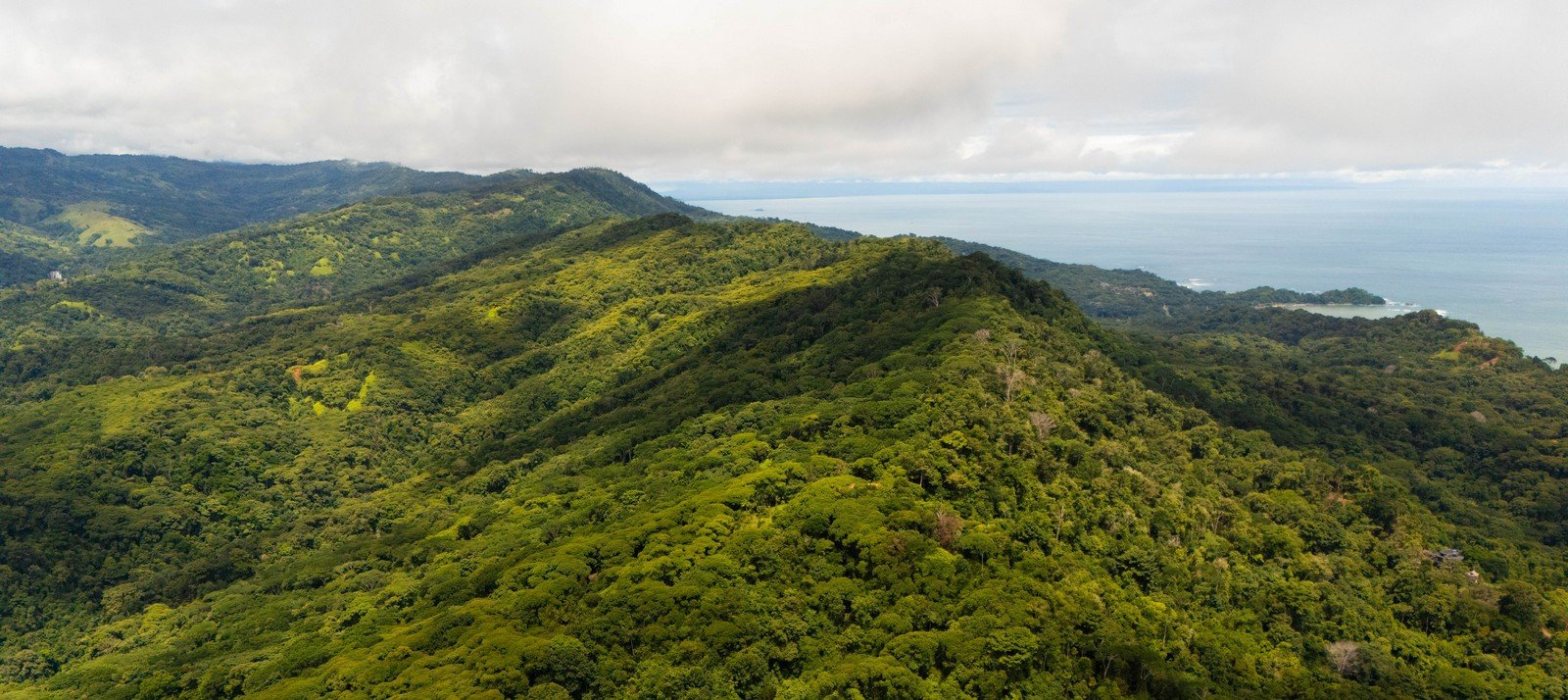
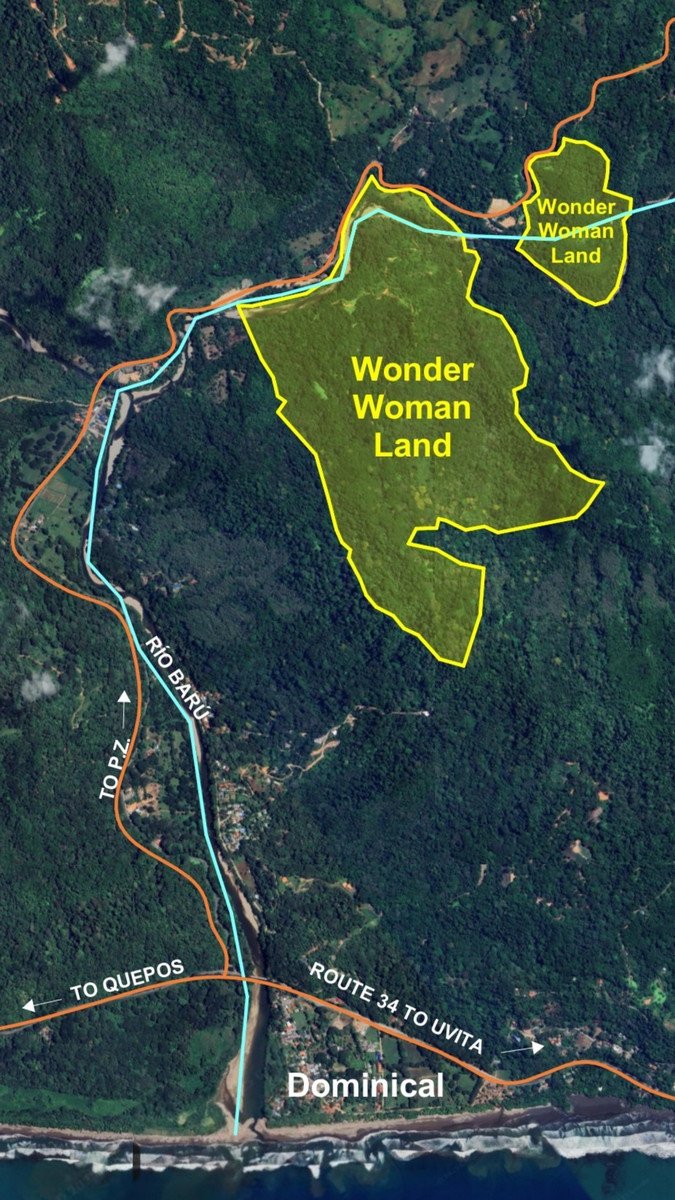
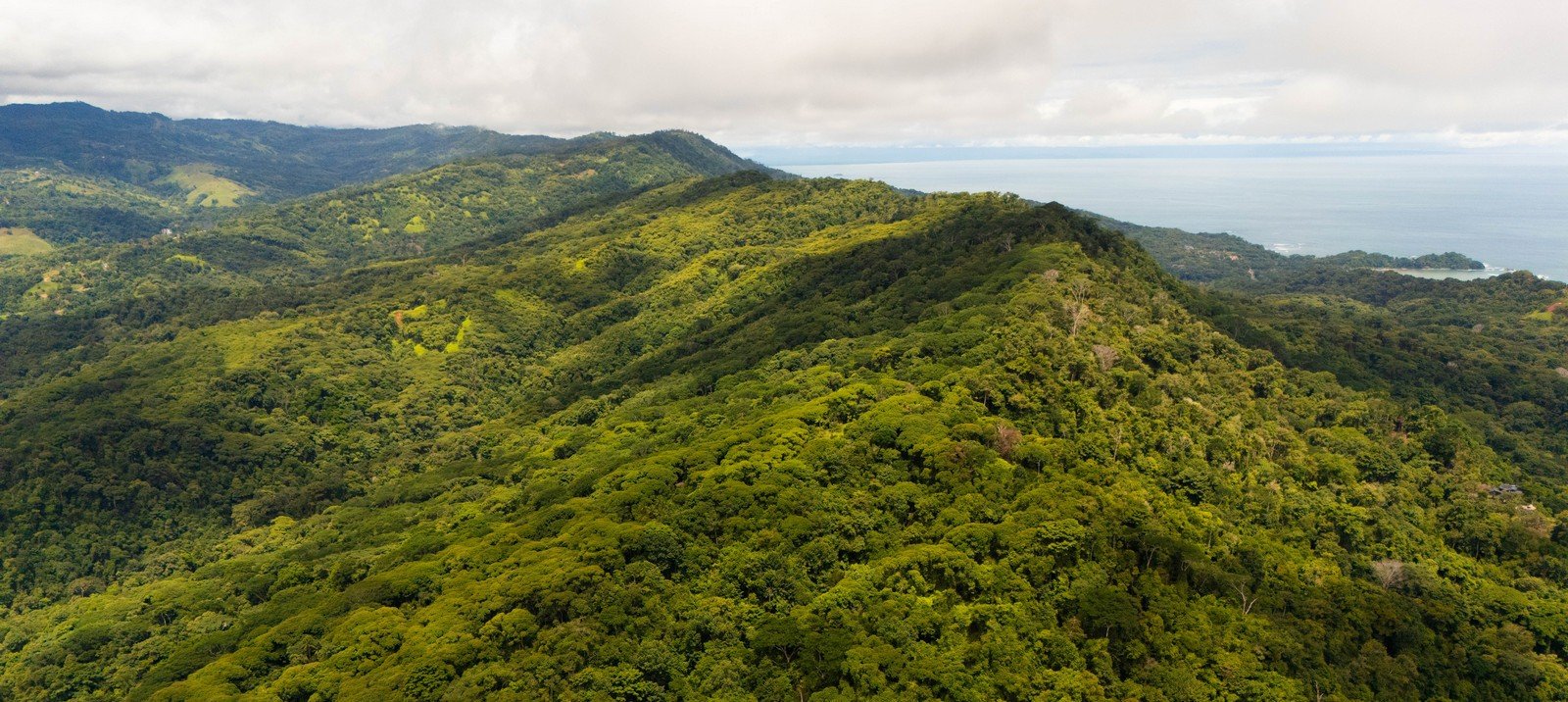
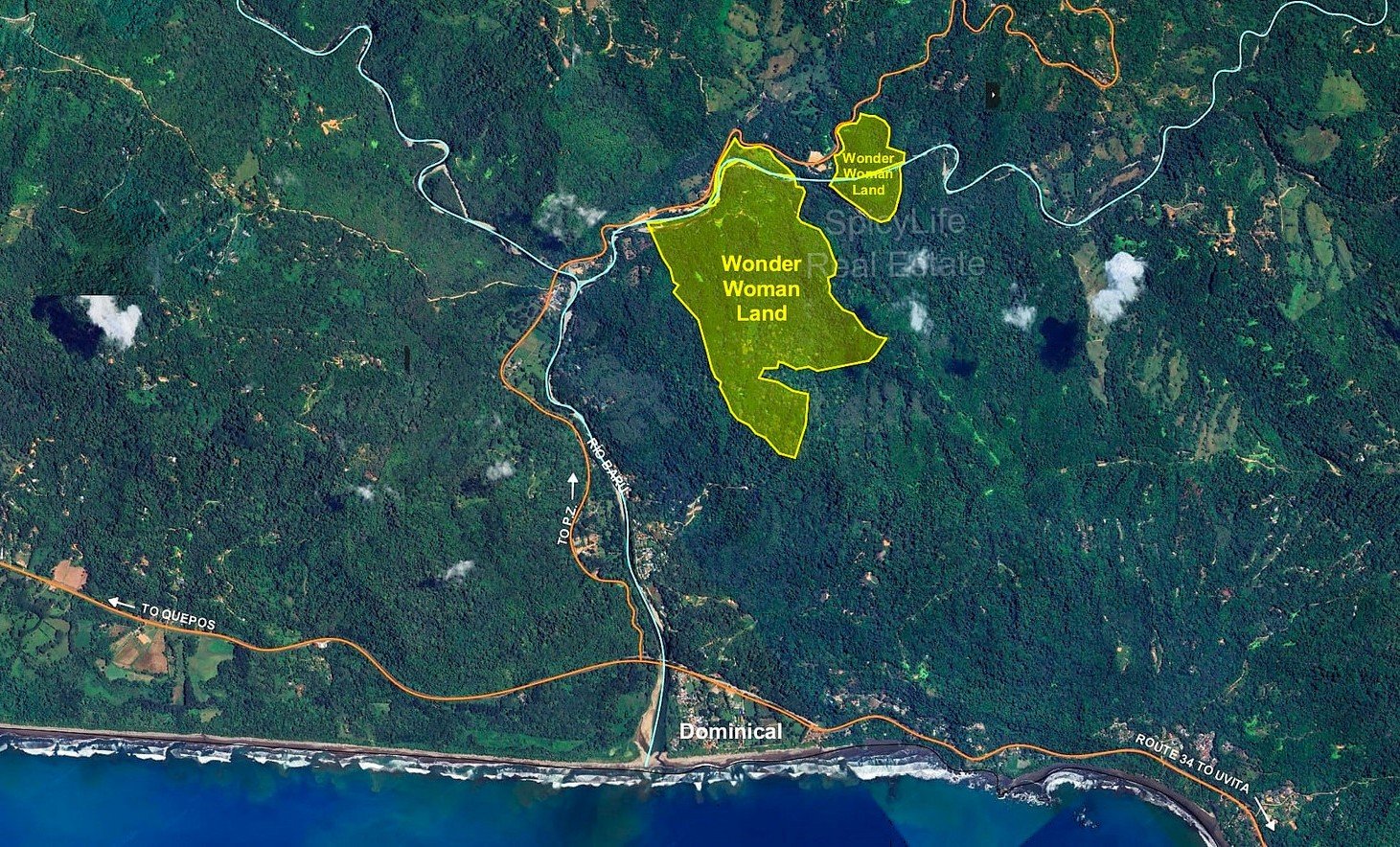
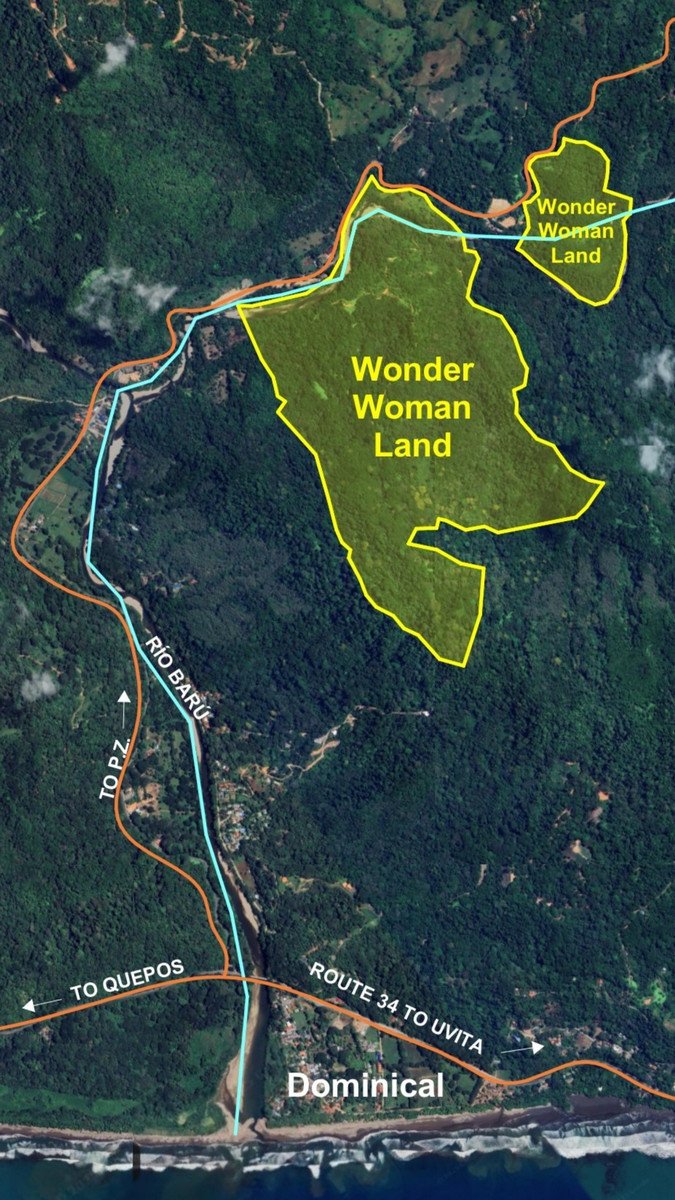

Wonder Woman Conservation Land is located just above Dominical, in Costa Rica’s most biodiverse region and at the heart of the Paso de La Danta Biological Corridor, which connects coastal habitats with premontane forests and safeguards critical wildlife movement.
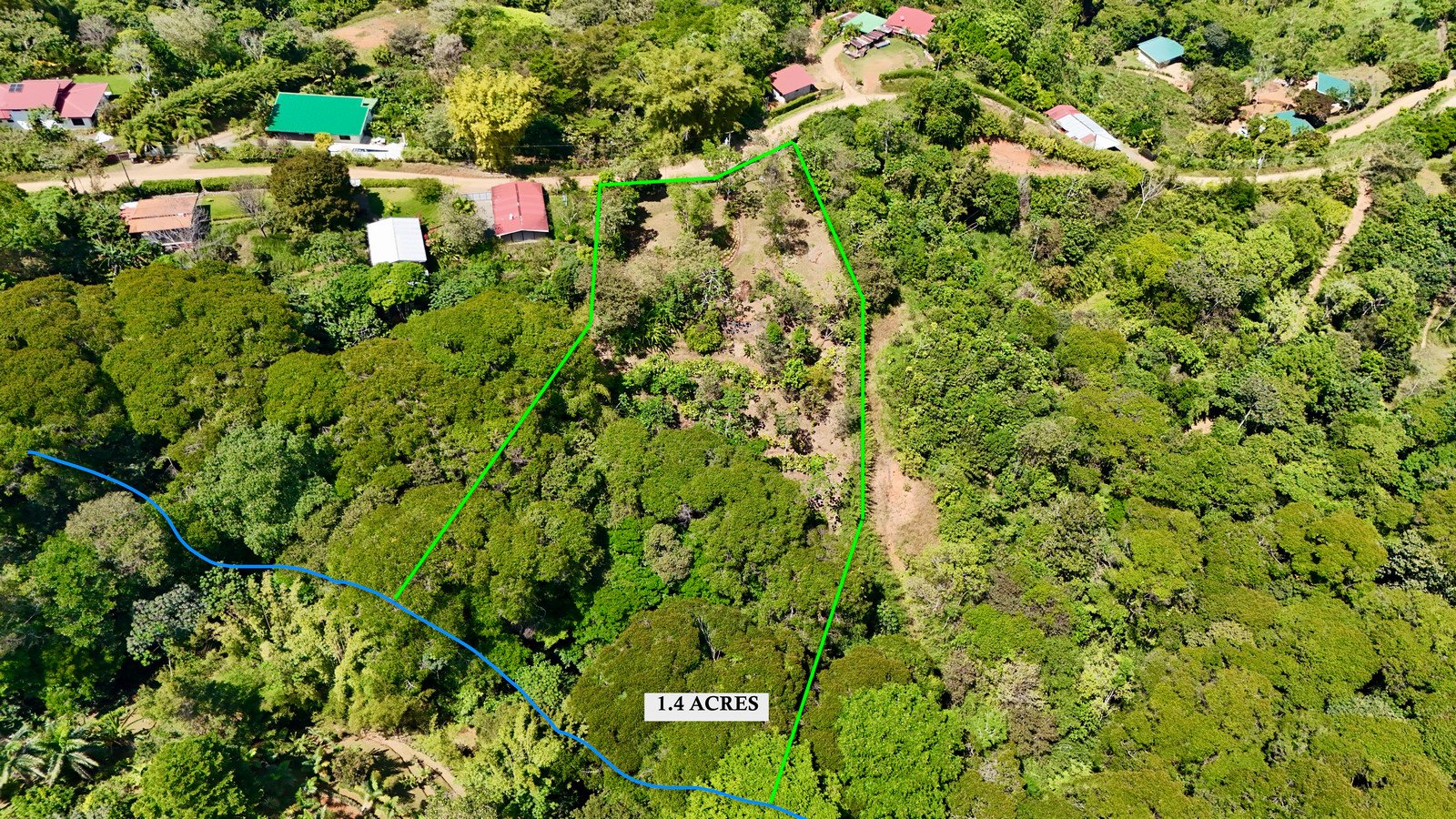
Easy access via public road, internal 4×4 trails, and entry points from both sides of the Río Barú.
Maximum privacy, surrounded by mature primary forest, rivers, and ridgelines, while only minutes from conservation-focused communities like Dominical and Barú.
The property is situated between several conservation centers, which underscores the area’s exceptional biological richness.
Terrain
Spanning 365.35 hectares (911 acres) across two contiguous parcels:
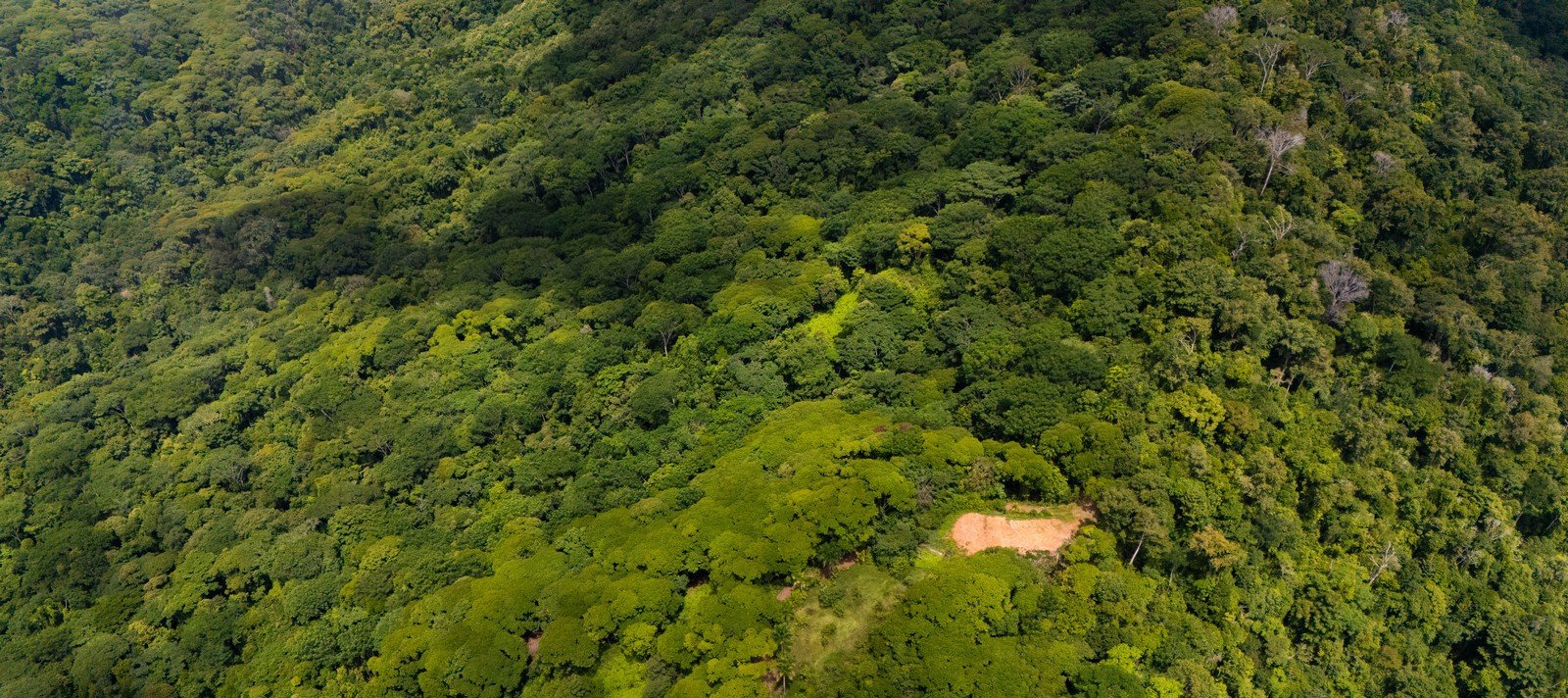
Approximately 70% primary forest and riparian zones, protecting key habitats along the Río Barú and its tributary streams.
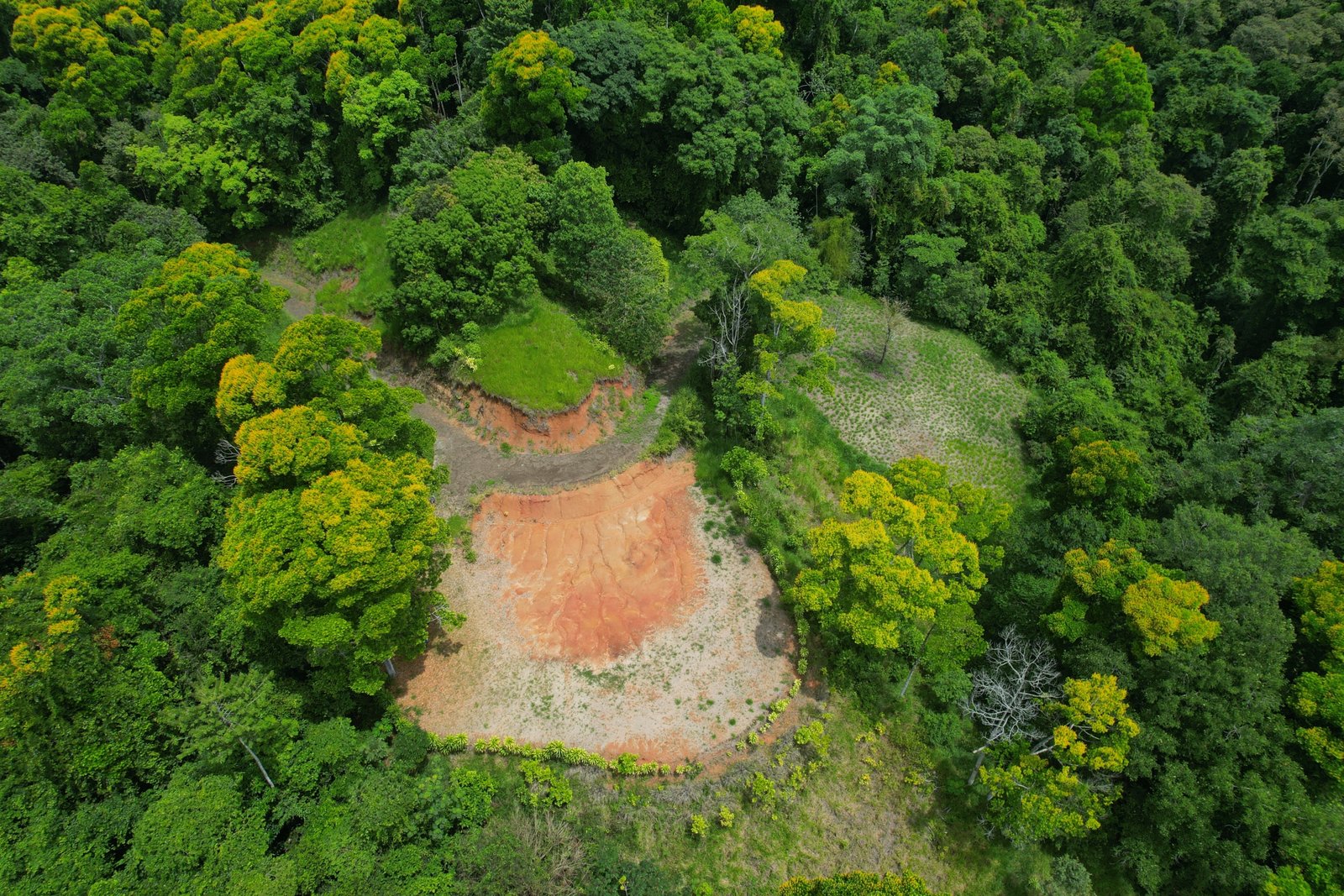
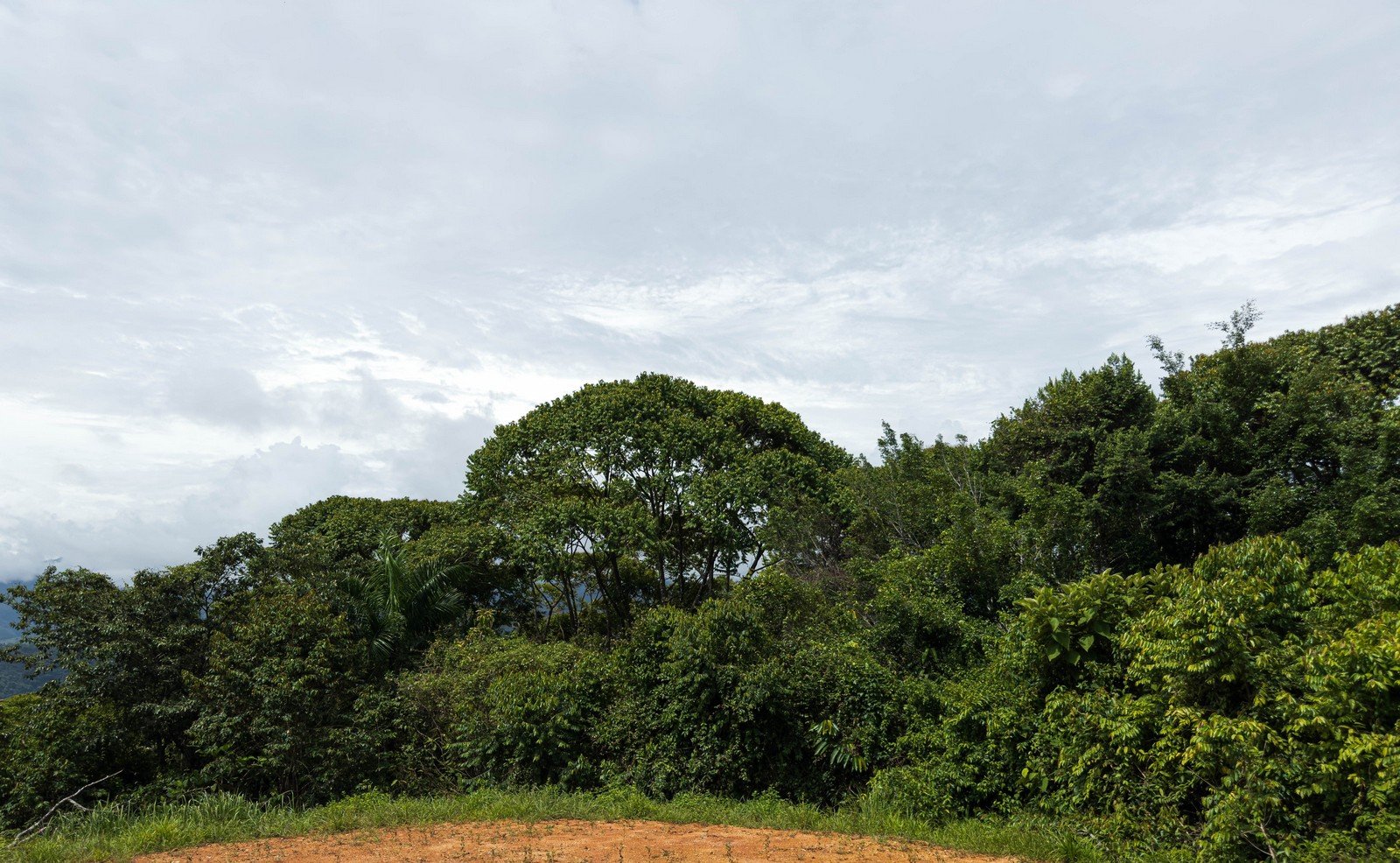
Around 30% regenerating forest and clearings, ideal for low-impact development, research facilities, or eco-tourism.
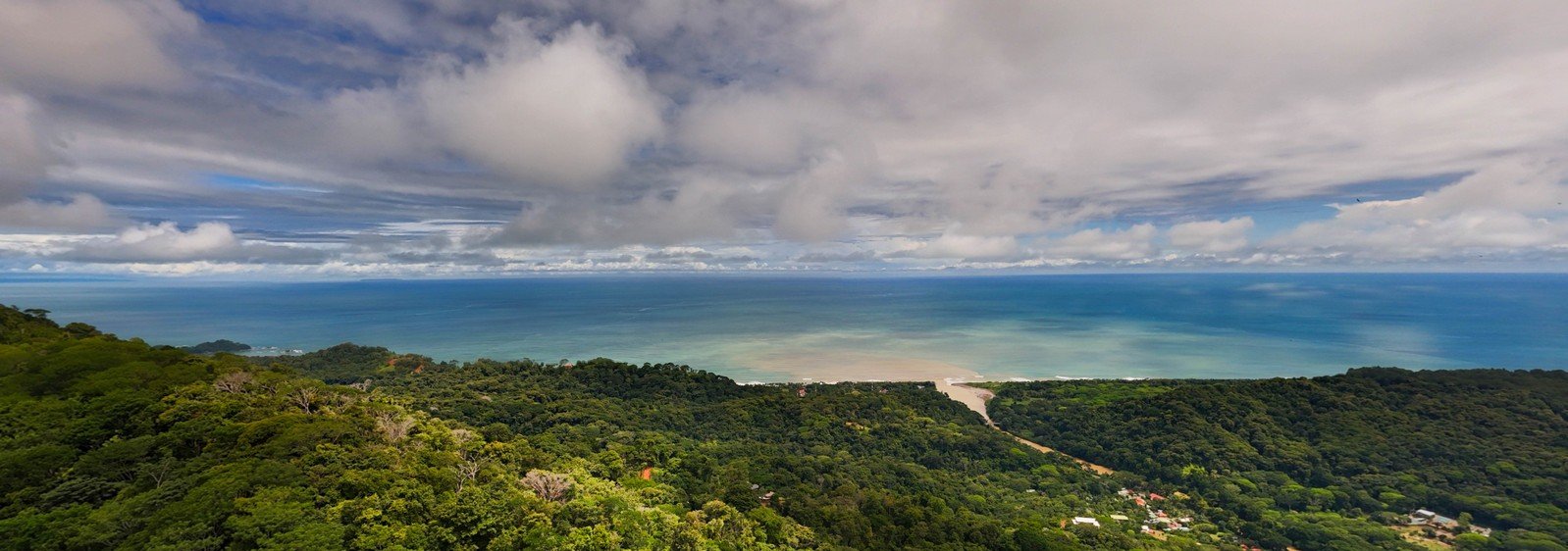
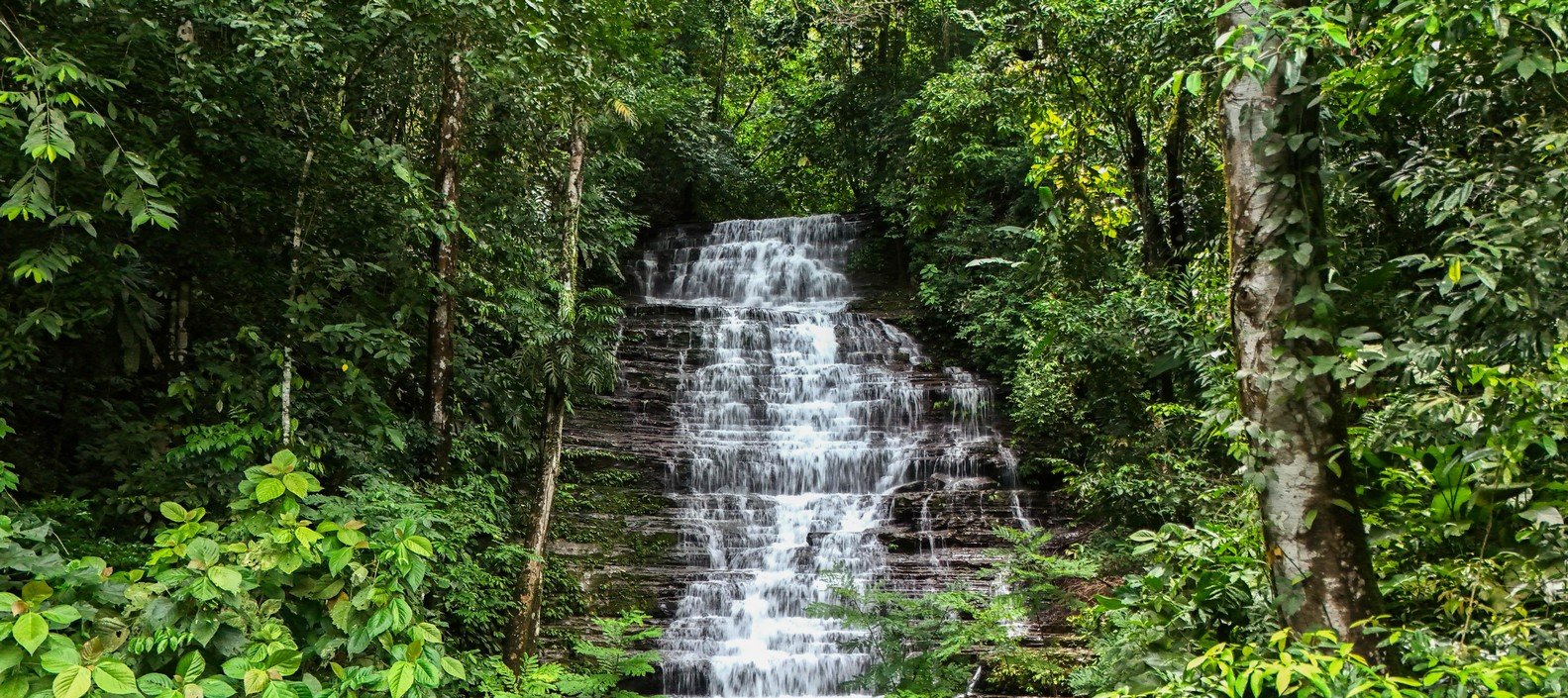
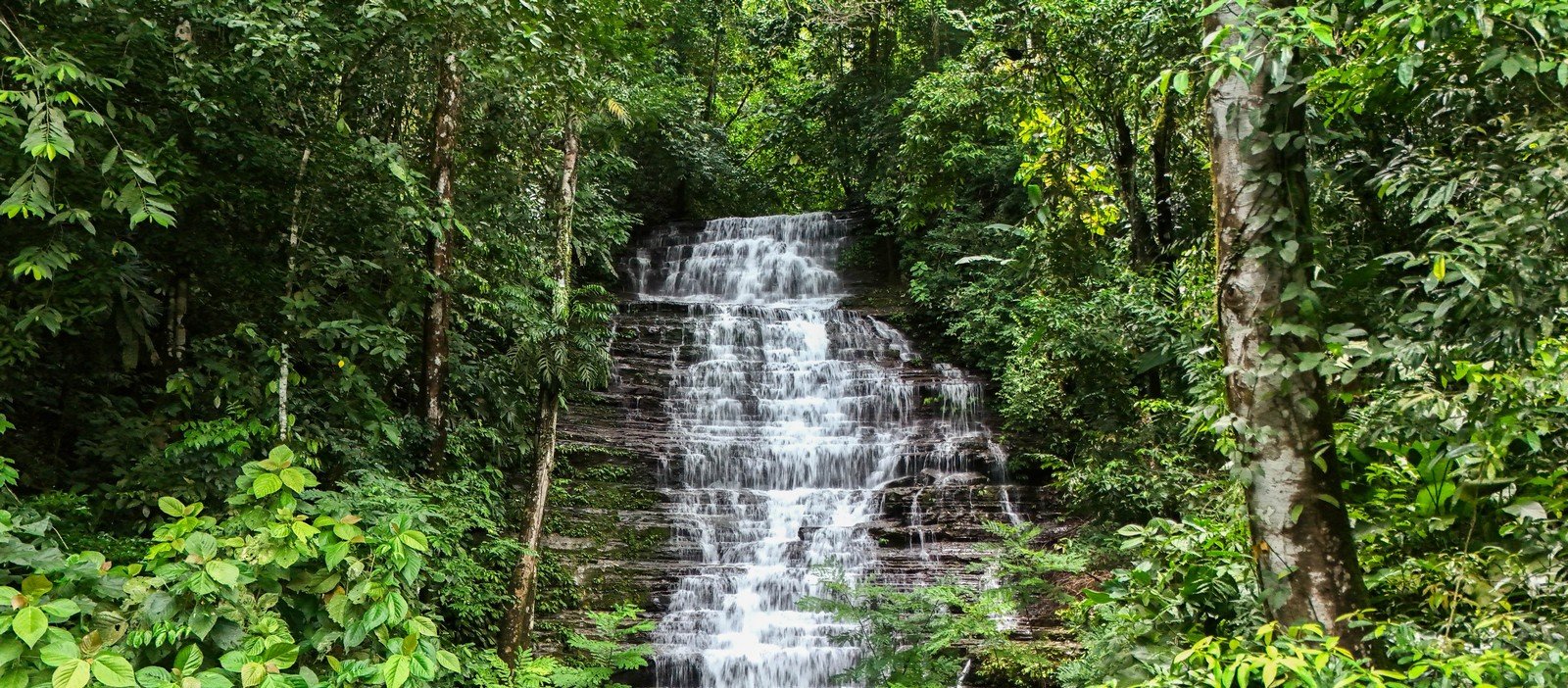
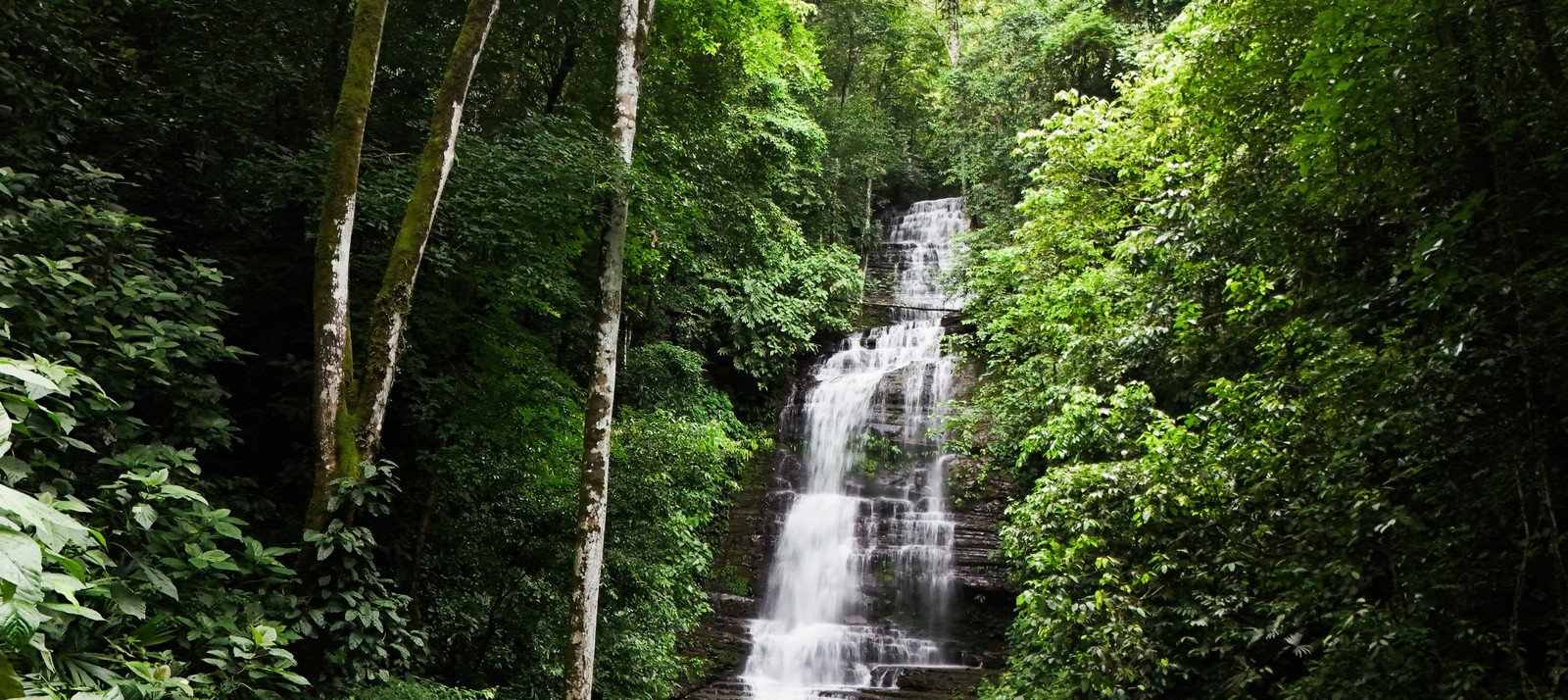
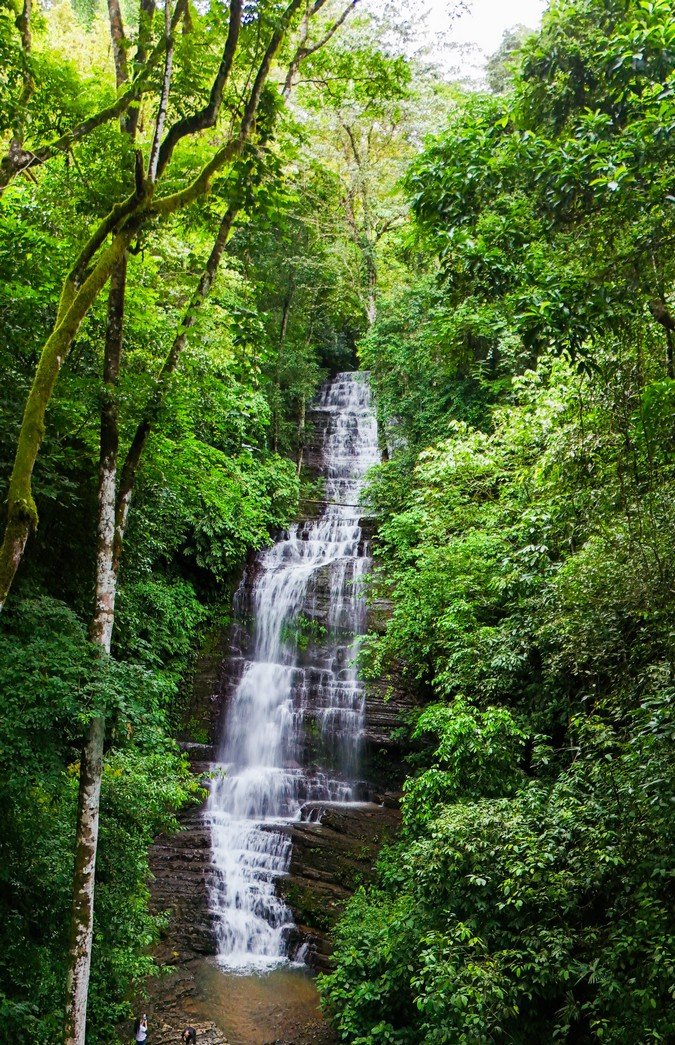
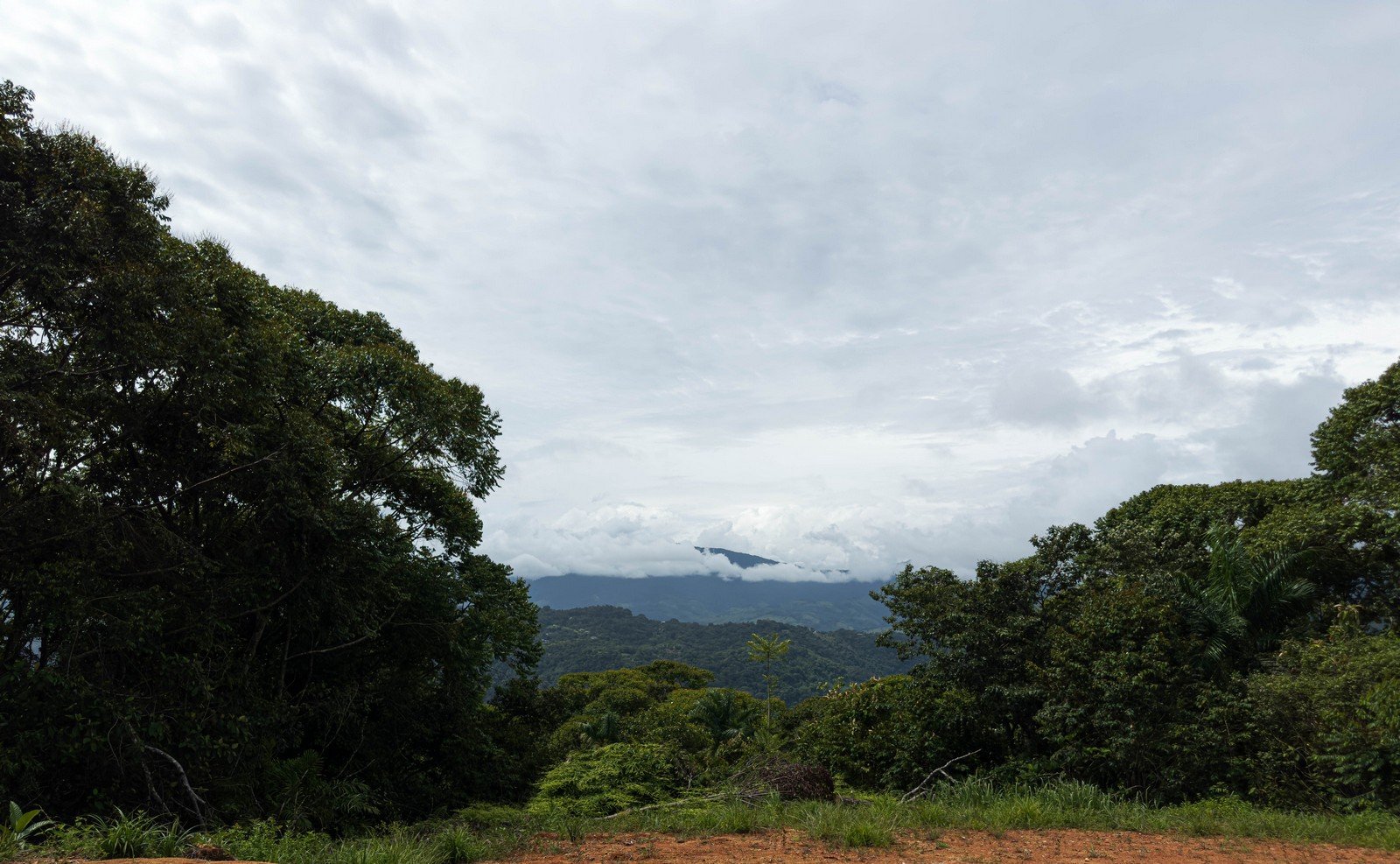
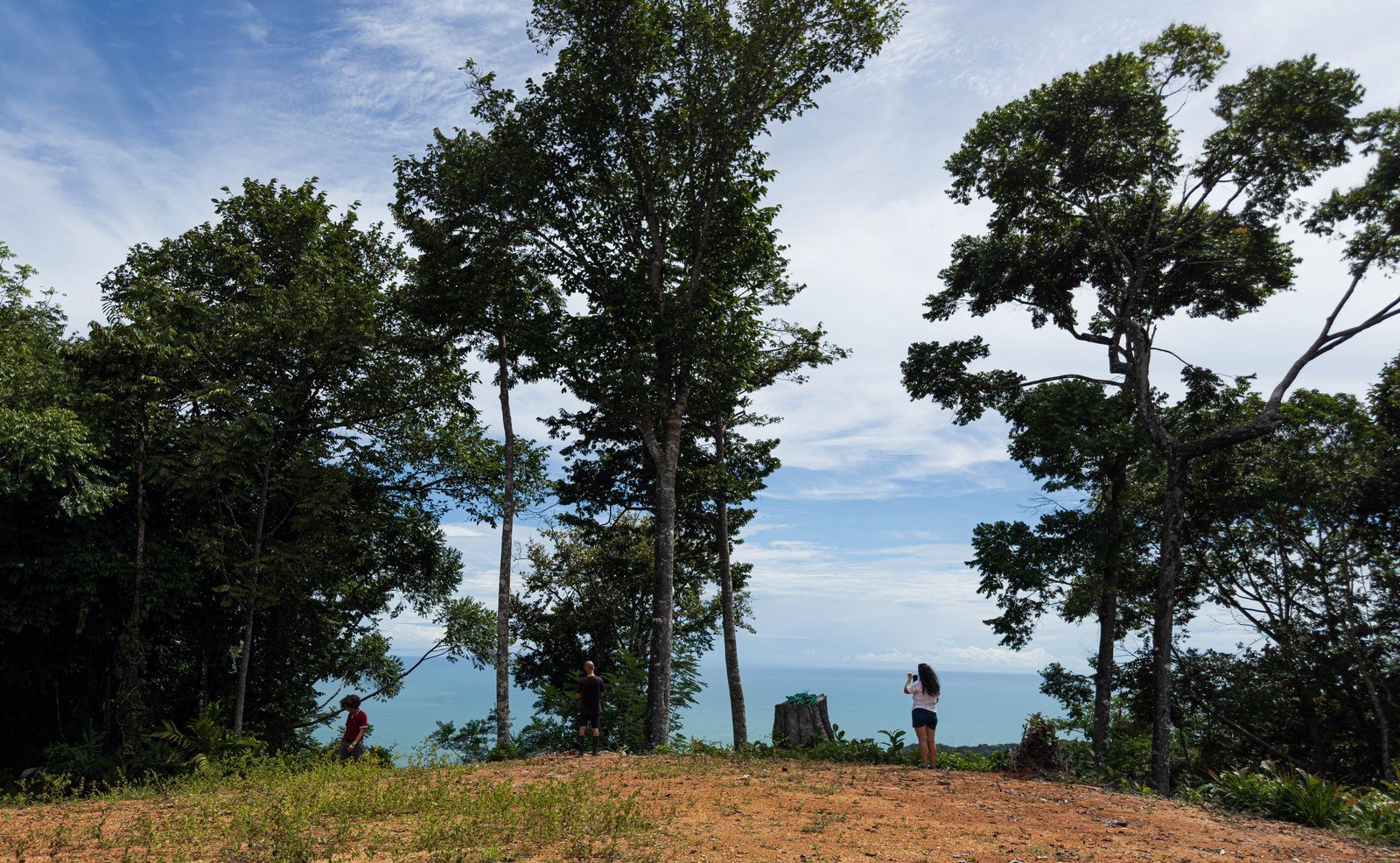
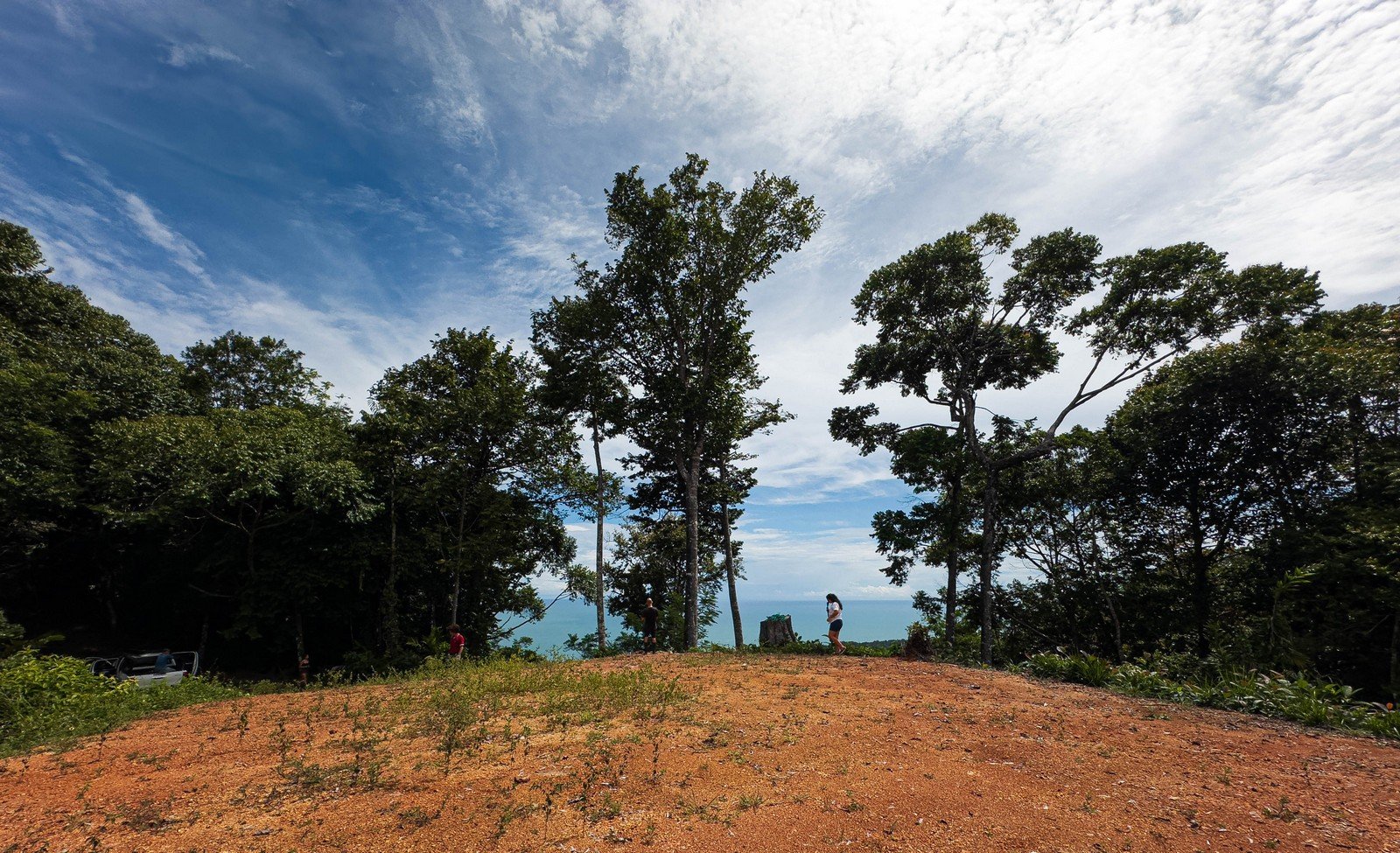
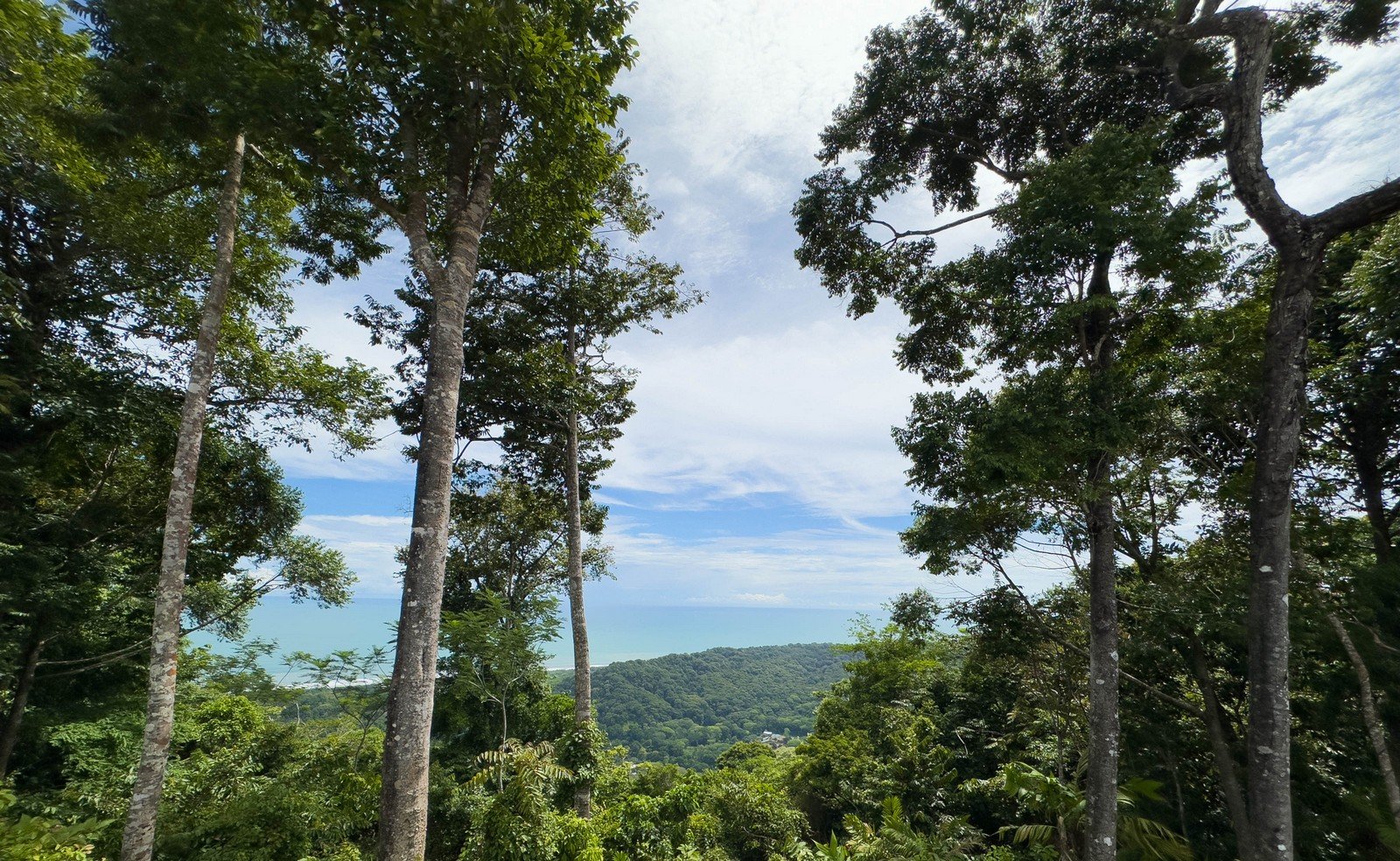
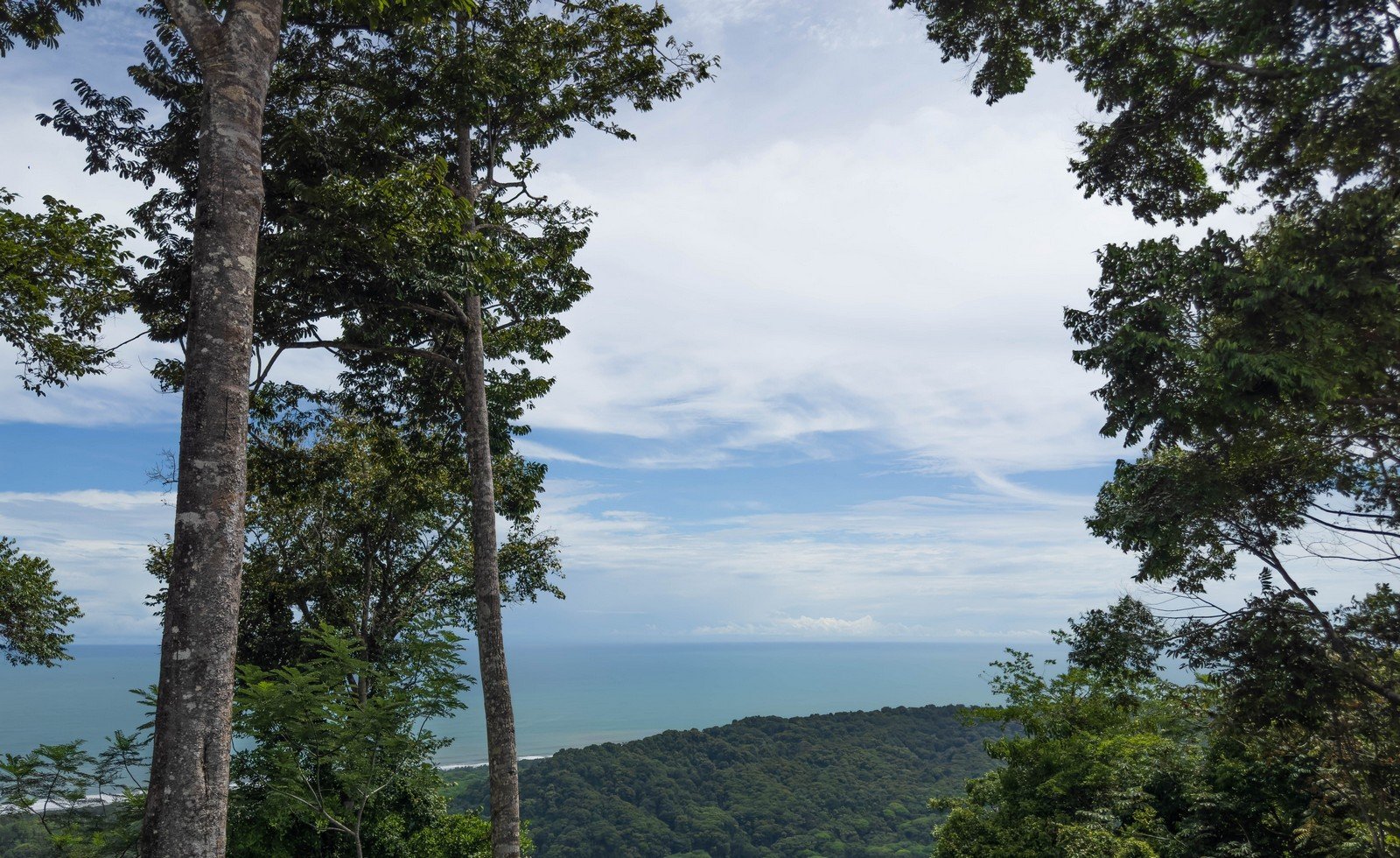
Features a 60-meter waterfall, natural pools, perennial streams, and panoramic ridgelines with views over the river valley and surrounding forest.
Conservation & Ecosystems
The land is a mosaic of ecosystems, from old-growth forest to active regeneration areas, providing remarkable ecological and landscape diversity. Wonder Woman Conservation Land is part of the Paso de La Danta Biological Corridor, a critical link for wildlife species moving between protected areas such as Hacienda Barú, Alturas Wildlife Sanctuary, and private reserves in the Barú valley.
Ecosystems on the property include:
Biodiversity
The Southern Pacific region and Osa are internationally recognized as Costa Rica’s most biodiverse area, home to countless species. Documented wildlife on and around the property includes:
The Osa Peninsula and the Southern Pacific region are considered the most biodiverse areas of Costa Rica and among the richest on Earth. This exceptional biodiversity is clearly reflected in the wildlife observed in and around the property.
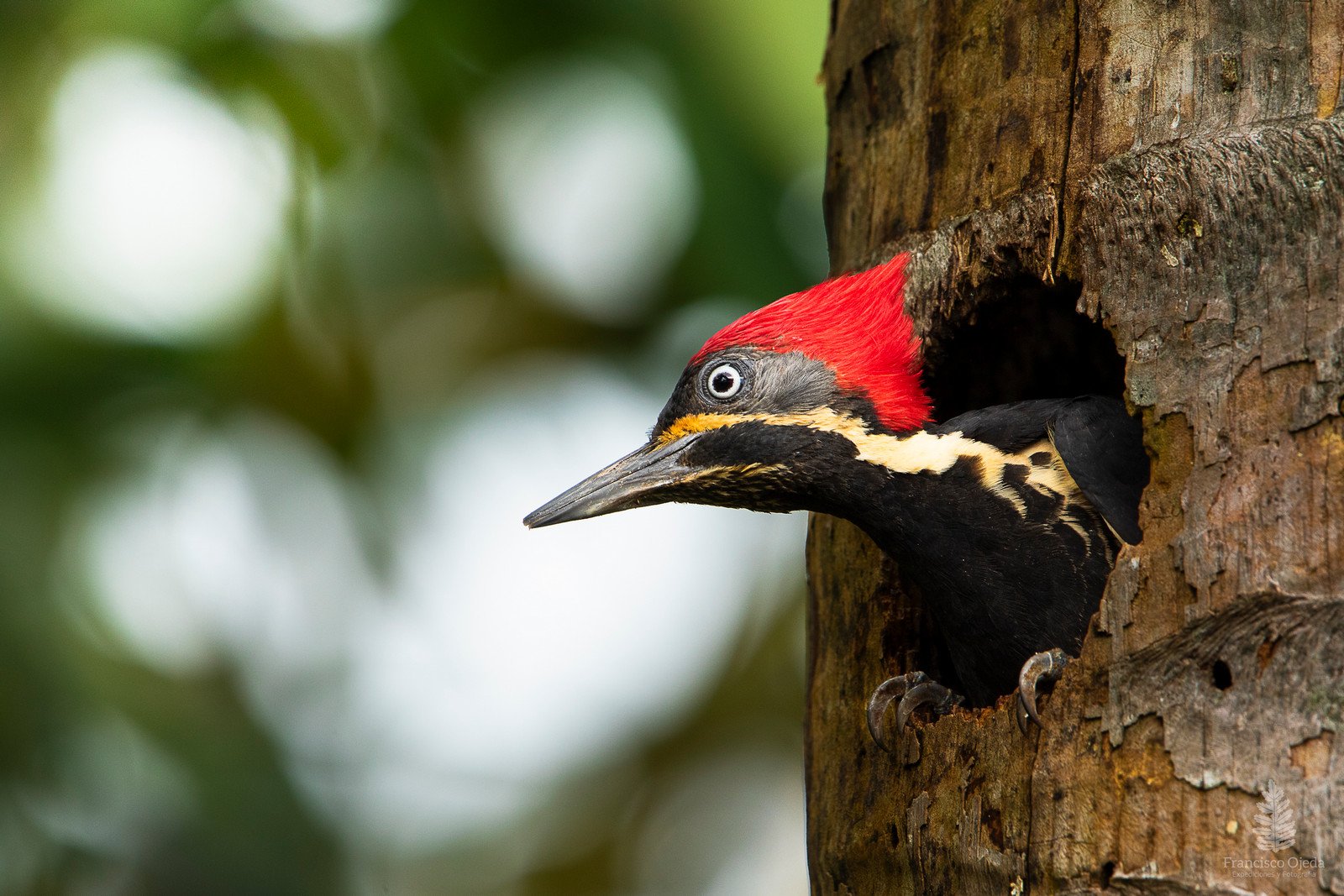
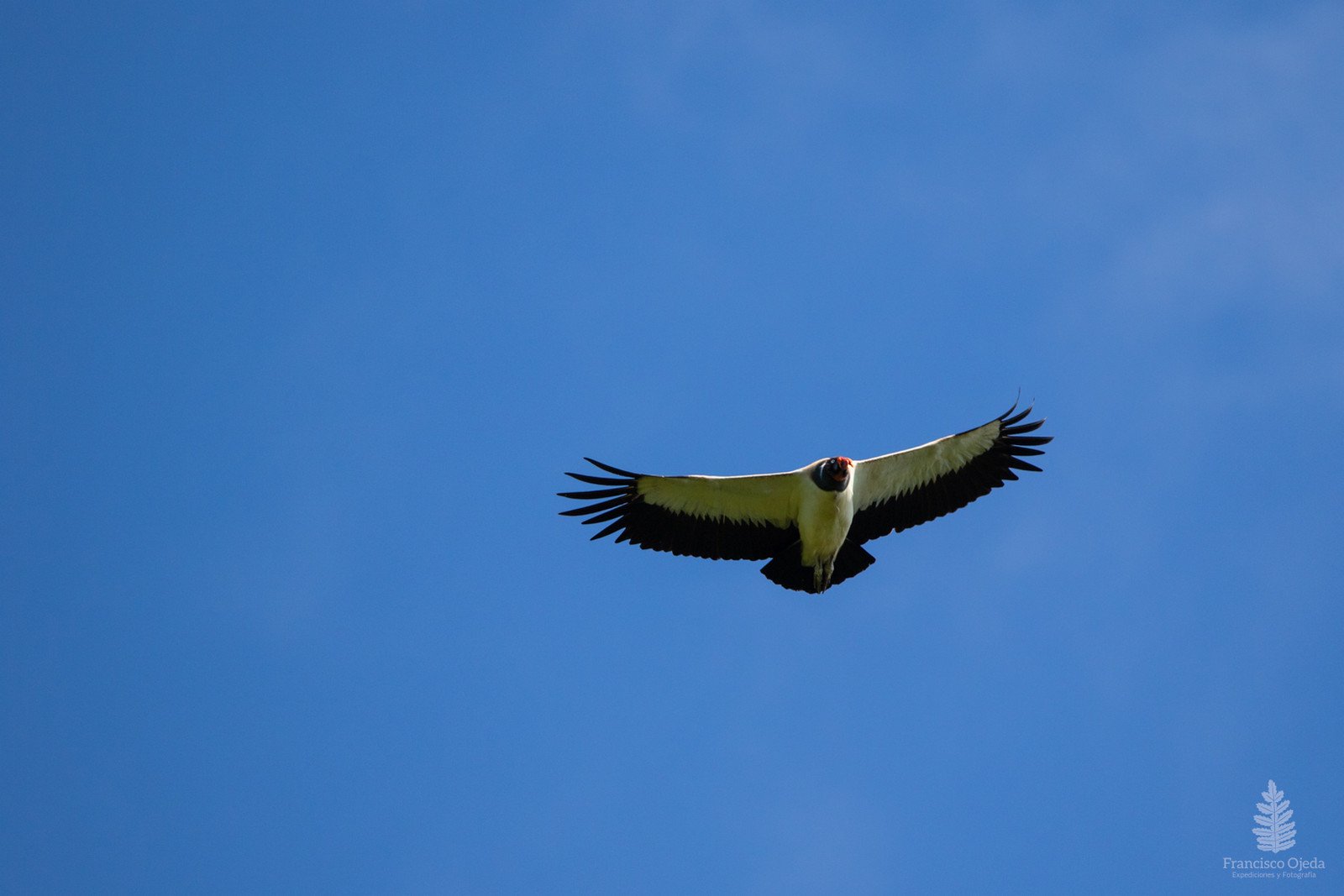
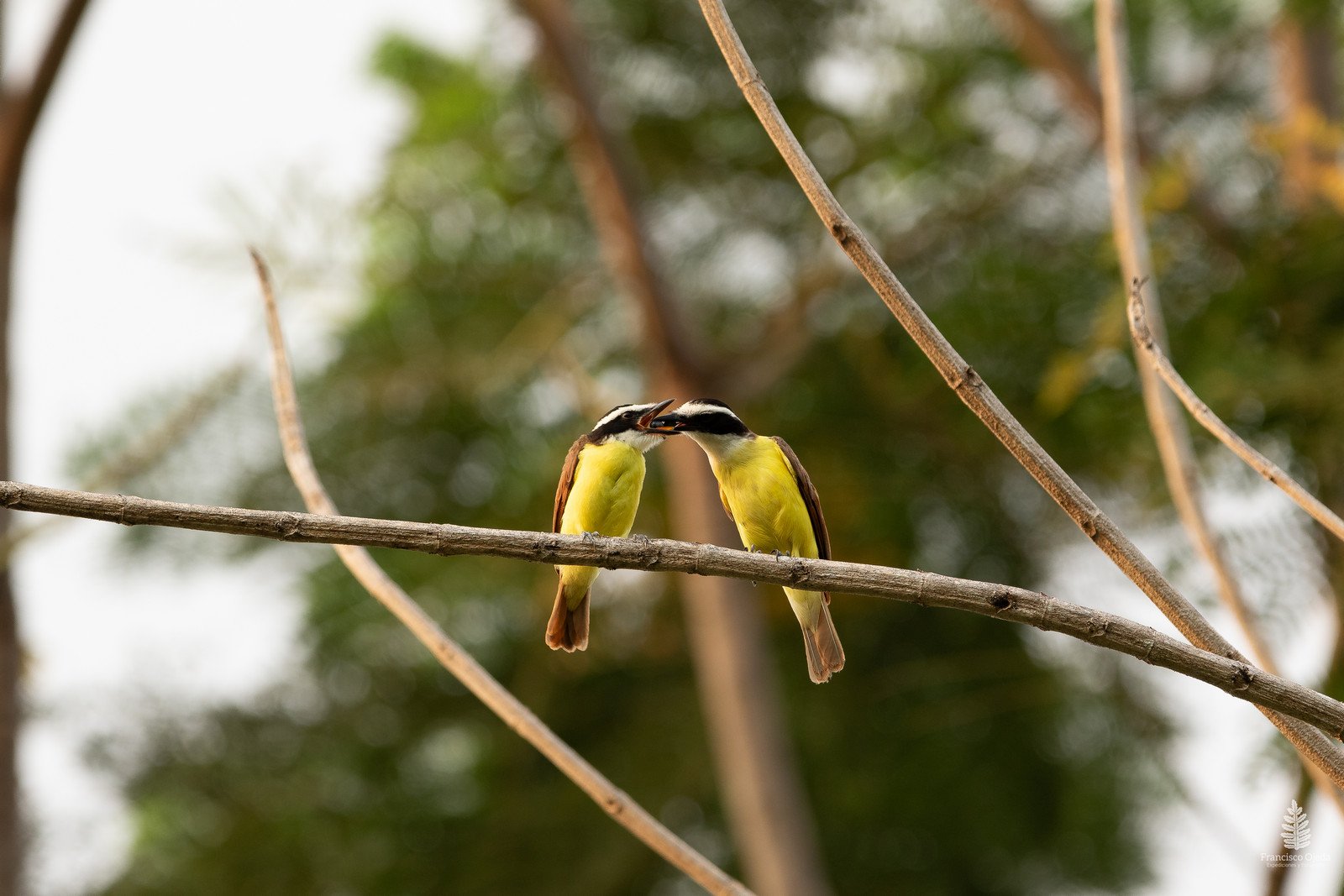
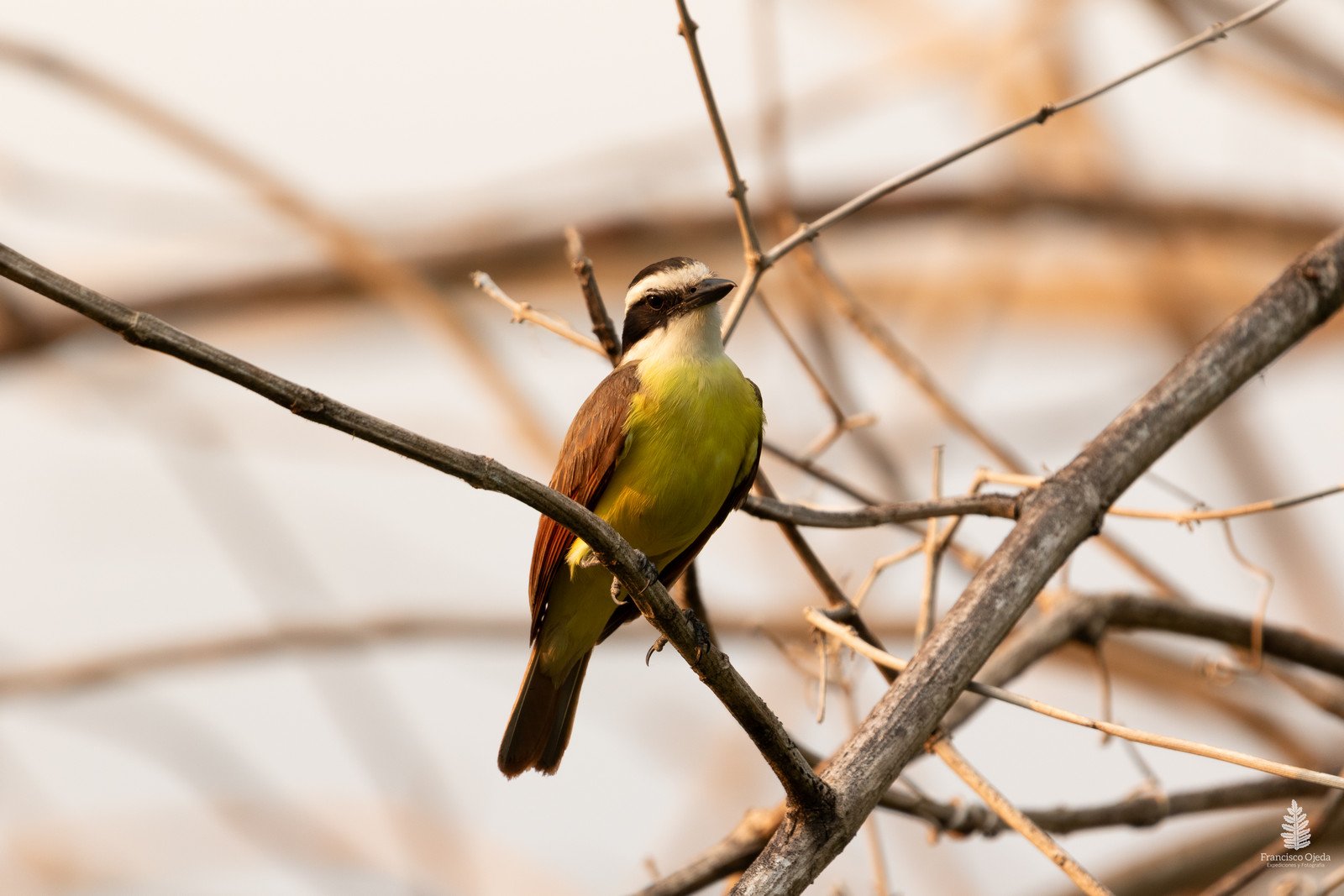
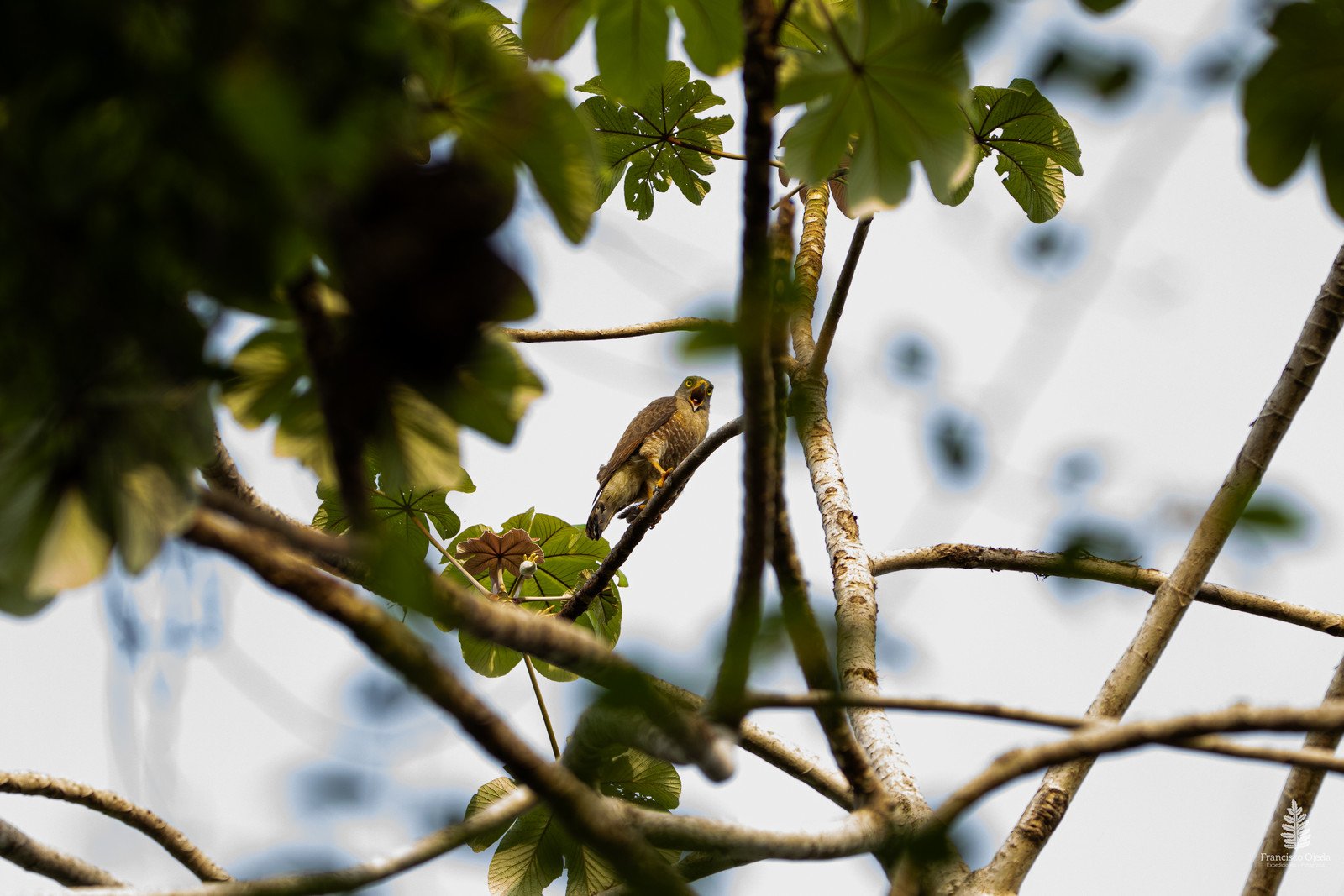
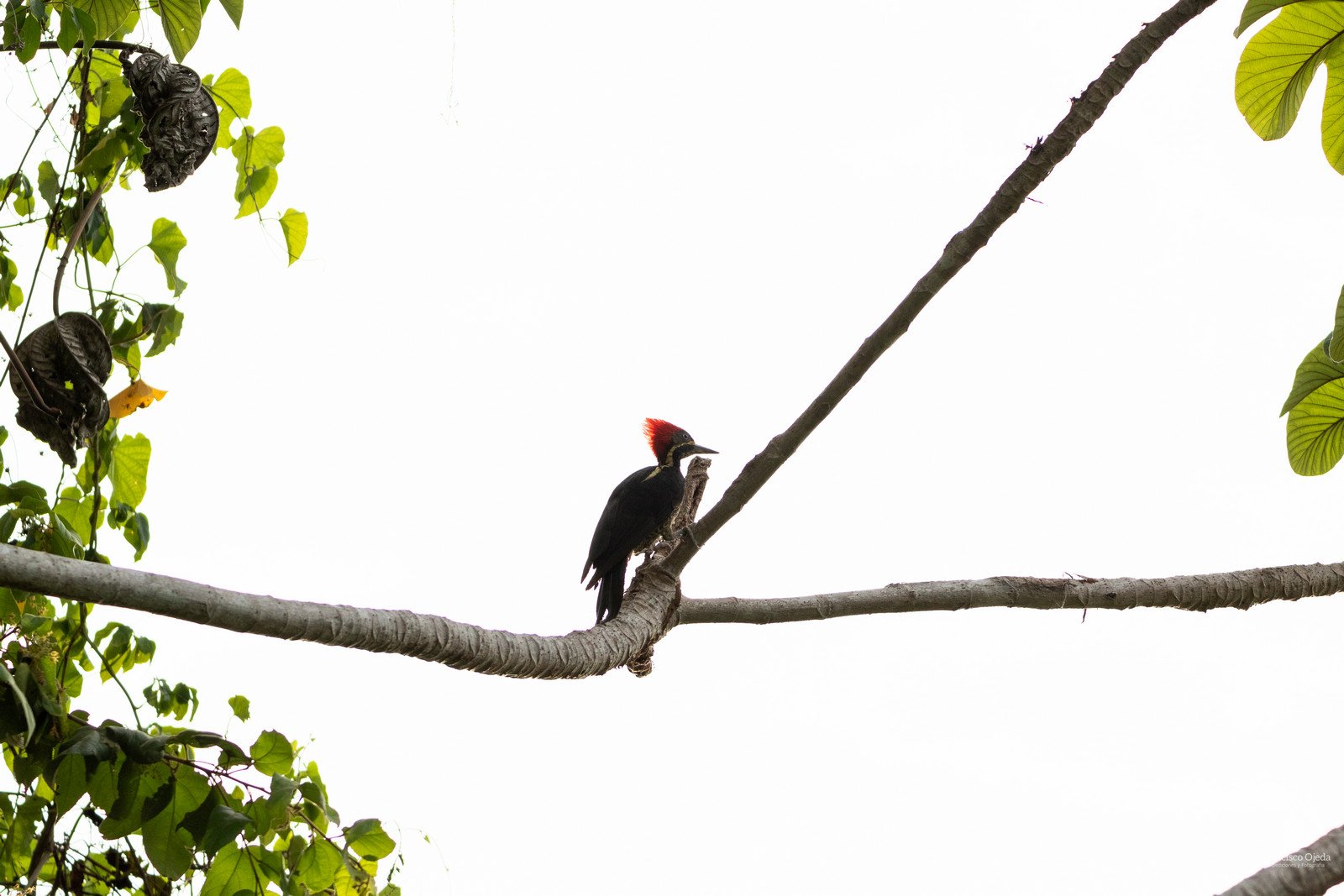
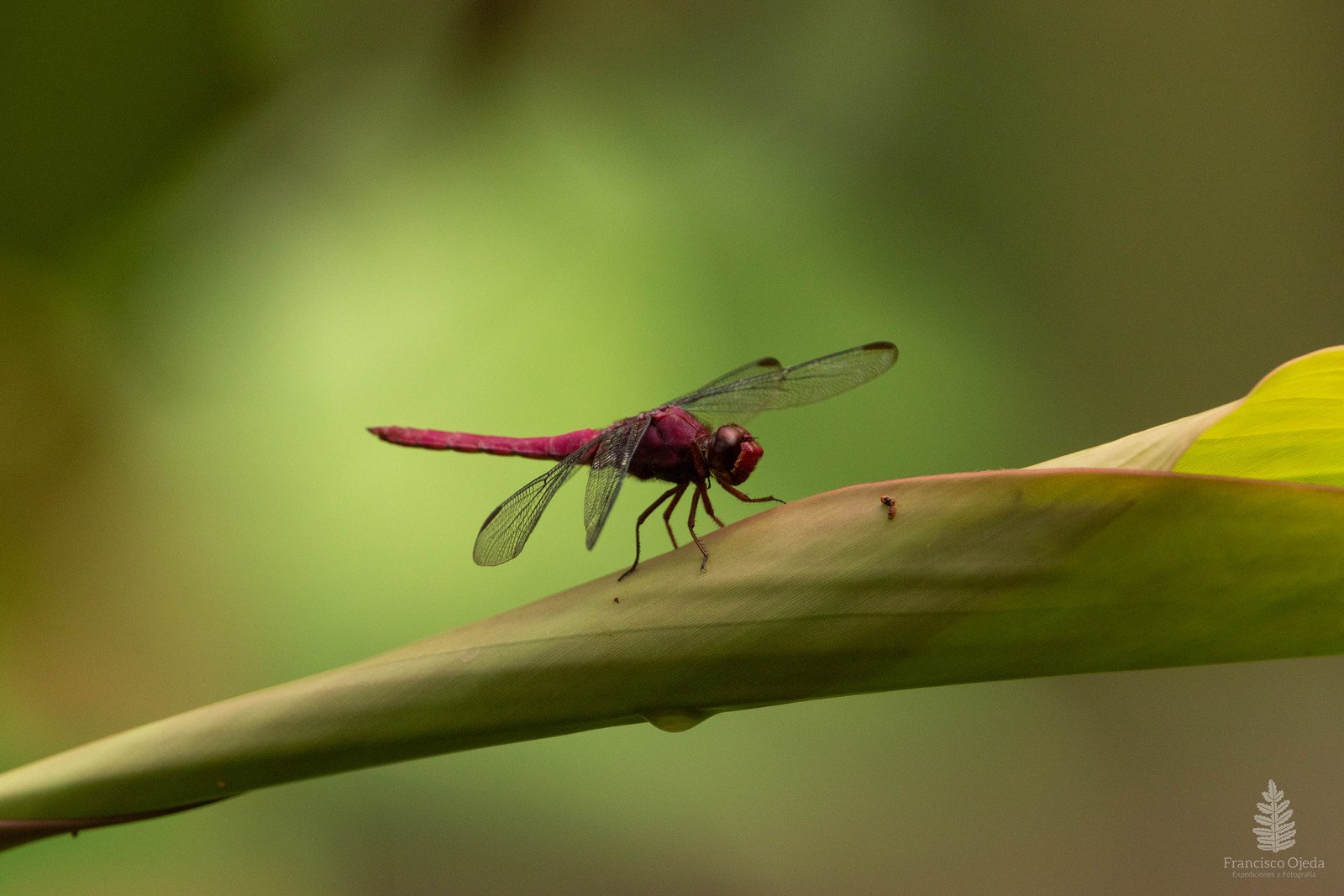
Mammals such as howler monkeys, white-faced capuchin monkeys, two-toed sloths, northern tamanduas, ocelots, collared peccaries, agoutis, and occasionally pumas detected by camera traps have all been documented in the Barú area. The birdlife is equally impressive, with species including crested caracaras, trogons, Montezuma oropendolas, and a variety of hawks and migratory raptors like the common black hawk and broad-winged hawk.
Reptiles and amphibians add to the rich fauna, with regular sightings of American crocodiles in the Río Barú, basilisk lizards and red-eyed tree frogs inhabiting the surrounding habitats. The pools and calm stretches of the Barú also support a diverse array of native tropical river fish.
Connectivity with nearby protected areas such as Hacienda Barú, Alturas Wildlife Sanctuary, Firestone Center for Restoration Ecology and other reserves strengthens the property’s role as a vital wildlife corridor, ensuring the continued movement and survival of these species. These animals represent only a fraction of the extraordinary biodiversity thriving in this unique and vital region.
Climate
Infrastructure
Highlights