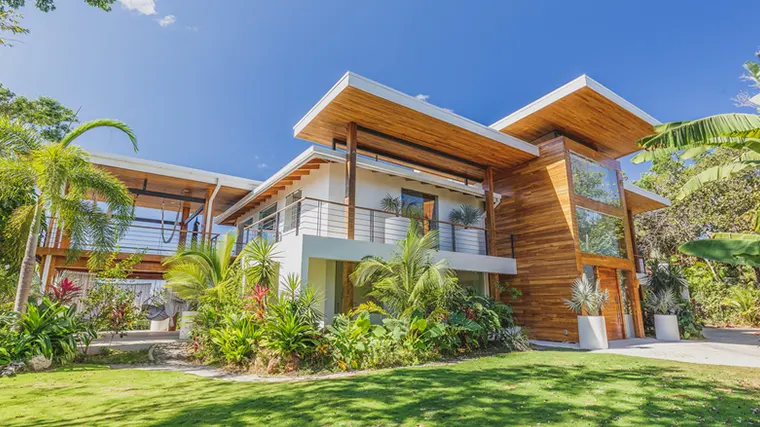
Costa Rica has been a popular travel destination for a long time. Its lush rainforests, beautiful beaches, diverse wildlife, and commitment to eco-friendly tourism attract many visitors. However, beyond the stunning views and adventure plans, there is an important economic story taking shape. Tourism and real estate are becoming more connected. In recent years, trends in tourism have emerged as a major force influencing the property market throughout the country. These trends are changing demand, prices, and investor strategies, which prospective buyers and investors need to understand.
Costa Rica’s tourism sector has grown steadily, reaching record levels in recent years. It has shown strong resilience even during global travel fluctuations. In 2024, the country welcomed about 2.66 million international tourists, the highest number in over a decade. This signifies a significant increase from previous years.
The influx of visitors boosts the demand for accommodations, recreational activities, and local services. It also sparks interest in short-term rental properties and vacation homes. Areas that attract many tourists, like Guanacaste, Santa Teresa, Tamarindo, Manuel Antonio, and Nosara, are experiencing increased interest from buyers, not just regular homebuyers but also from investors seeking rental income.
Tourism has a clear impact on the property market, especially in the vacation rental segment. Platforms like Airbnb and Vrbo now make it easier for property owners to reach international travelers. As a result, villas, condos, and houses can become valuable assets.
In popular areas like Santa Teresa, where beautiful beaches and a vibrant surf culture attract visitors year-round, annual rental returns for vacation properties have been reported between 12% and 17%. This is much higher than what many traditional investments provide.
This trend isn’t confined to just a few hotspots. Emerging beach communities and some inland areas with strong tourist appeal are also experiencing increased rental occupancy rates and strong daily rates during peak seasons. For investors, this situation changes the approach: rather than just purchasing property for appreciation, many are considering rental income from the start.
When visitor numbers increase, so do property demand and values. As tourists explore various towns and fall in love with them, more buyers—both foreign and local—want to secure property there. This rising demand often leads to price increases, usually at a quicker pace than in less visited areas.
For example, coastal regions like Tamarindo and Nosara are seeing property prices that rival upscale urban neighborhoods in larger cities. The desire to own a piece of paradise—whether for personal use, investment, or retirement—means these markets have fewer available homes and faster sales cycles compared to traditional residential areas.
However, this tourism-driven price growth has its downsides. It creates opportunities for sellers and investors but also raises housing costs for local residents. In many popular destinations, long-term rental prices have skyrocketed, making it hard for locals to compete with short-term rental rates. This can lead to displacement and broader affordability challenges within the community.
Another trend worth noting is the diversification of tourism, which is affecting real estate demand in different ways. Costa Rica isn’t just a beach destination. It is also a leader in eco-tourism, wellness travel, adventure tourism, and even business meetings.
Eco-tourism draws visitors who seek a closer connection to nature. Properties that support sustainable living and low-impact designs are becoming more appealing. Health and wellness tourism, which includes retreats, spa resorts, and holistic centers, is another growing niche, increasing interest in property near these facilities.
Furthermore, the growth of MICE (Meetings, Incentives, Conferences, and Exhibitions) tourism adds stability to demand, especially for properties close to venues that can host events or corporate retreats.
As tourism demand increases, improvements in infrastructure often follow, further enhancing real estate interest. Costa Rica has expanded international flight routes, particularly into Liberia Airport in Guanacaste, making it more accessible to North American and European travelers.
Better connectivity brings more visitors but also makes owning property in Costa Rica more appealing for buyers seeking easy access for personal travel or rental guests. This creates a cycle where more tourists lead to greater infrastructure investment, which then attracts even more buyers and visitors.
While tourism continues to shape the property market, stakeholders, including government officials, developers, and community leaders, are increasingly focused on balancing growth with sustainability. Local policies and planning efforts aim to protect Costa Rica’s natural resources and the integrity of its communities. It’s essential to preserve the very attractions that draw tourists.
For investors and buyers, this means assessing properties not only for immediate returns but also for their long-term sustainability and impact on the community.
In summary, tourism is a key factor influencing Costa Rica’s real estate market. By driving demand for vacation rentals, raising property values in hot spots, and diversifying buyer profiles, tourism trends are reshaping how properties are valued, marketed, and developed nationwide. Whether you’re a first-time buyer, a seasoned investor, or someone dreaming of a second home in Costa Rica, understanding these dynamics is crucial for making informed decisions in today’s market.