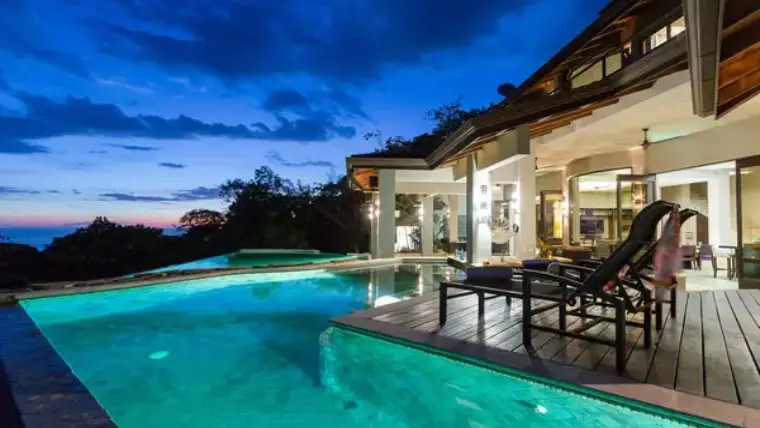
Sunshine, rich wildlife, and slow days once defined Costa Rica – lately though, travelers have quietly shifted something deeper. Along the shoreline, crowds grow, outsiders buy in, lives relocate; slowly price tags climb. What was once just vacationing now nudges change through bricks and land. Foreign cash flows, stays longer, settles in ways few expected. Coastal towns feel it first – the shift subtle but sure. Homes cost more not because of demand alone, but who brings it. Not every wave crashes loud – one can rise without sound.
When buying or investing, knowing the effect of tourism on seaside home prices helps shape clearer choices. What happens with visitors often shifts how much these properties are worth. Seeing that link clearly can change where people decide to put their money. Coastal areas react strongly when tourist numbers go up or down. This movement impacts pricing more than many expect. Those who watch closely tend to adjust faster. Property value here does not move on its own – it follows visitor trends. Decisions made without this insight may miss key pressures at play.
That summer spot you’re eyeing? More travelers mean tighter housing markets near coastal hotspots. By June 2024, over a million and a half visitors had arrived in Costa Rica just since January – up more than one in eight compared to last year – pushing rental spaces into sharper focus for buyers and short-term lets alike.
With more people arriving, some stay only briefly while others buy homes. Places like Tamarindo and Nosara pull in foreign investors looking for a retreat or new beginning – pushing prices higher along the way. Homes once modest now carry weight of demand fueled by faraway interest.
Out here where tourists flood in year after year, house values tend to climb – simply because more people want in after they’ve spent time living like locals. A steady stream of interest keeps the market moving, often nudging would-be renters toward buying once they fall for the daily rhythm of coastal life. What starts as a vacation can quietly turn into long-term plans, fueling price shifts without any sudden announcements or dramatic events pushing it forward.
Some places move faster than others. Along the shore, activity picks up because more visitors show interest. Inland spots lag behind, missing that steady stream of travelers.
Floating higher, nationwide home prices should rise 6–8%. Close to the ocean, places such as Jaco Beach and Playa Grande may jump 10–12%.
When tourists flood in, beachfront homes climb in price – places like Nosara feel it fast. Tamarindo sees shifts just as quick, driven by steady crowds. Jaco rises too, shaped less by plans and more by how many show up.
Priced beyond three thousand eight hundred dollars a square meter, top-tier beachfront units claim some of the region’s highest real estate figures across Central America.
A sharp rise marked certain areas. Coastal home values in Guanacaste jumped fourfold from 2020 to 2023, pulling in well-off foreigners and people leaving work behind.
Last year saw steady climbs in Guanacaste property values despite calmer market currents. Homes near visitor hubs rose more sharply than others during that stretch. Values edged up between four and seven percent across most areas. Rental-prepared houses in busy spots gained six to nine percent instead.
Several structural trends explain why coastal real estate is outperforming other segments.
1. Foreign Investment
Folks snapping up homes along Costa Rica’s shores often come from North America and parts of Europe – nearly two out of five purchases made by these international buyers. The draw? A laid-back ocean lifestyle that keeps drawing interest worldwide.
2. Working From Anywhere Using Technology
Folks who work from home now are looking for places that fit their lives better, often choosing coastal towns where life slows down. These spots used to lack good connections, yet faster internet has changed that completely.
3. Strong Rental Potential
Fresh gains from rent and rising prices still pull in buyers, especially around high-end coastal spots such as Tamarindo or Playa Flamingo. Though quiet at first glance, these areas spark interest year after year. Value grows slowly here, yet money flows steadily into properties near the sand. Some watch closely; others jump right – either way, waves keep bringing new offers.
Few seaside spots see rent returns between five and eight percent, while home values climb three to seven percent yearly – proof enough of lasting value. A stretch of coast here, a market there, keeps growing without rush yet surefooted.
Costa Rica increasingly operates as two separate housing markets:
Tourism-driven coastal hubs fueled by foreign demand
Urban markets supported by local employment and infrastructure
Beyond the shore, values climb faster where sand meets sea. Inland spots lag behind when waves shape demand. Salt air pulls buyers more than backroads ever do.
Fringes along the coast, like Guanacaste and Puntarenas, are seeing bigger jumps in high-end homes for visitors than areas farther inland where prices hold steady. Though growth surges near water, quieter zones stay flat by comparison.
When tourists boost an area, prices often rise along with more people renting homes there, which stirs up local spending. Yet fast-growing costs can cause problems just the same.
When costs climb, neighborhood people often leave busy travel spots. Moving becomes necessary because homes nearby grow too expensive. Families scatter, seeking cheaper places to live. This shift changes how communities feel and function. Life reshapes where tourists flock most.
A surge in high-end development across Guanacaste has deepened the shortage of available housing, even though numerous properties remain empty most of the year. These dwellings are often reserved for occasional tourist stays instead of permanent living.
This moment shows investors why thoughtful building matters, while also grasping how each place works on its own terms.
Property values may rise a little each year, between three and eight percent, helped by more travelers spending time in different places. Not like before, when prices jumped wildly because of sudden demand shifts. Growth now feels steadier, shaped by steady visitor numbers instead of chaos. Big surges seem unlikely under current patterns.
Folks looking to buy usually find things calmer here – prices rise slowly, which keeps swings in check yet grows value over time.
Key strategies include:
Targeting established tourist corridors with proven rental demand
Evaluating infrastructure improvements and accessibility
Prioritizing properties with income potential
Local specialists help sort through rules on owning property near the shore. Getting guidance from those familiar keeps things moving smoothly. People who know the area well understand what is allowed. Their knowledge makes it easier to follow coastal land laws correctly
The Bottom Line
A wave of visitors isn’t simply backing Costa Rica’s seaside property scene – lately, it’s pulling the strings. As overseas buyers jump in and remote workers chase sunset views, fresh pressure mounts on home prices in the nation’s top shoreline spots.
Even though prices aren’t rising as fast as they did after 2020, the future still looks bright. What keeps coastal property strong isn’t just beauty – it’s also value over time, a rare mix found across Latin America right now.
Those watching closely see tourism’s rise differently. Not merely shifting prices. Opening chances few notice. A moment unfolds for those aware. Change arrives quietly. Opportunity slips in behind it.