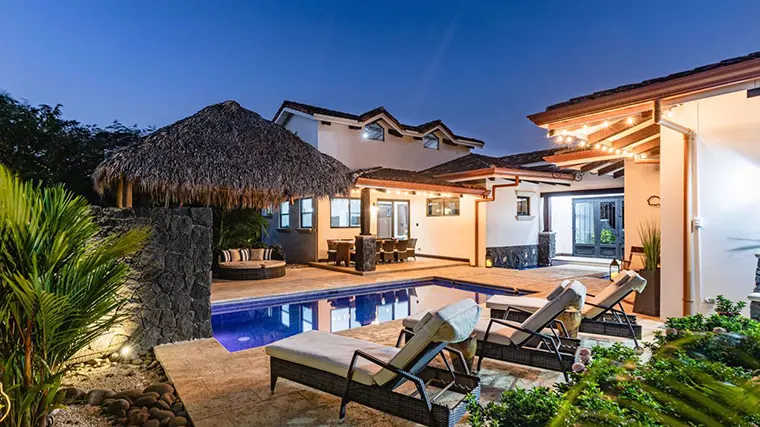
Costa Rica remains one of the most desirable destinations in the world for foreign buyers of real estate, whether that be for retirement, investing, vacation homes, or relocation. With its breathtaking landscapes, welcoming culture, political stability, and relative affordability of living, it is no surprise buyers from North America, Europe, and around the globe are captivated by this tropical paradise. Buying property as an expat in a foreign country can be daunting if you are unfamiliar with the legal, financial, and cultural landscape. This guide walks you through the essential steps to buy property in Costa Rica safely and confidently as an expat.
The prices in Costa Rica vary considerably, starting with location, size, and type of property. Places that are in demand, such as the Guanacaste coast, Central Valley, and the Nicoya Peninsula, see higher prices than areas considered rural.
Before you decide:
Researching various regions now will give you an idea about lifestyle, climate, infrastructure, and price trends.
Consider future development plans, road access, availability of utilities, and community services, for these factors determine property’s long-term value.
Visit the site multiple times, if at all possible in both rainy and dry seasons, for year-round observations of access and condition.
One of the best things about Costa Rica is that it has the same property rights for expats as citizens. You can buy:
Condominiums
Houses
Farms
Undeveloped land
Commercial property
Foreign ownership is allowed nationwide, including in coastal zones, except in the marine zone area within 200 meters of the high-tide line, although local permits may be required.
Also remember:
Costa Rica uses the Civil Law system, so that deeds and titles are recorded publicly, yet due diligence has to be done to verify ownership.
Hiring a reliable team is one of the major steps involved in buying property in Costa Rica. It generally includes:
Bilingual Real Estate Agent: A licensed agent can help you with local laws and neighborhoods to identify properties that meet your needs within your budget and assist with negotiating price and terms.
Attorney Costa Rican: While agents are helpful, an attorney will represent your legal interests, review contracts, title clearance, and make sure you are not purchasing a property with outstanding liens, easements, or boundary disputes.
Surveyor (Técnico en Topografía): An licensed surveyor determines precise property lines for the most part, on unimproved land and prepares an official land survey map.
Notary Public: In Costa Rica, the notario or notary is an attorney licensed under Notary laws for preparing the deed, called an escritura pública, dictating the flow at closing, and certifying all necessary documents.
The attorney should conduct a title search at the National Registry in order to confirm the following – before the purchase:
The seller must be the legal owner.
There are no back taxes or liens.
There are no disputes, easements, or restrictions on the property.
Boundaries are well defined and well-documented.
This due diligence process saves you from potential legal problems that may become evident after closure.
Once you have found the right property, and due diligence checks out, you can make a formal offer. If the seller accepts your offer, then both parties will sign a Purchase and Sale Agreement (Contrato de Compraventa) that includes:
Purchase price and payment schedule
Deposit amount and terms
Closing timeline
Fixtures or personal property included
At this stage, it is common to pay a deposit, typically 5-10% of the purchase price, into the attorney or fiduciary agent’s escrow.
Costa Rica, however, treats closing differently because it is handled by a Public Notary, who:
Prepares the official deed (escritura pública).
Reviews all documentation, confirms identities.
Records the new title with the National Registry.
Distributes funds in accordance with the agreement.
Once the deed is recorded, you are officially the legal owner of the property.
Remember that the closing costs in Costa Rica range from 2.5% to 4% of the value of the property, perhaps including:
Fees of notary
Transfer taxes
Fees paid for registration
Attorney’s fees
Owning property in Costa Rica also involves annual responsibilities, including:
Property Tax (Impuesto de Bienes Inmuebles): Usually low, calculated on the registered value of the land.
Utility Fees: Water, electricity, garbage collection, and internet
Homeowners Association Fees: If condos or gated communities apply
All of this planned expenditure ensures that there are no surprises while enjoying property ownership.
While some purchasers pay cash, other buyers may need financing. Options available include:
Local bank mortgages: These are limited for non-residents and usually require higher down payments.
Seller financing: A flexible option where the seller carries part of the mortgage.
International financing: Some foreign banks, or lenders in general, provide loans for the purchase of property in Costa Rica.
It is smart to talk about financing early on, so you do not have any delays in your purchase process.
Many expats invest in property in Costa Rica. If you plan to rent:
Research Local Rental Regulations
Understand tourism demand in your area
Work with property managers, if you won’t be living in Costa Rica full time.
Buying property abroad is a huge decision. Take your time, physically visit, and try to find out all the available information. With the right team and knowledge, it can be a seamless and enjoyable process. Whether one is building a retirement home, a vacation getaway, or an investment property, Costa Rica offers some excellent opportunities.
If you’re ready to begin, our knowledgeable and skilled Costa Rica real estate team is here to guide you through each and every step: from your initial search to closing.
Contact us for access to listings and personalized consultation for expats buying property in Costa Rica.